The February 2025 Earwarmer Pattern


Hello folks, it’s been a while since my last pattern post. A bad case of the flu at the end of January, the passing of my adorable pet dog in mid-February, and other personal issues needed my time. I started working on the February 2025 Earwarmer crochet pattern a few days before my beloved dog passed away. I am grateful that my knitting and crocheting hobby gave me much-needed comfort. It supported me during this difficult period of grief and reflection. I am also thankful to all the readers and subscribers of this blog. I appreciate the knitting and crocheting community for their support and understanding.

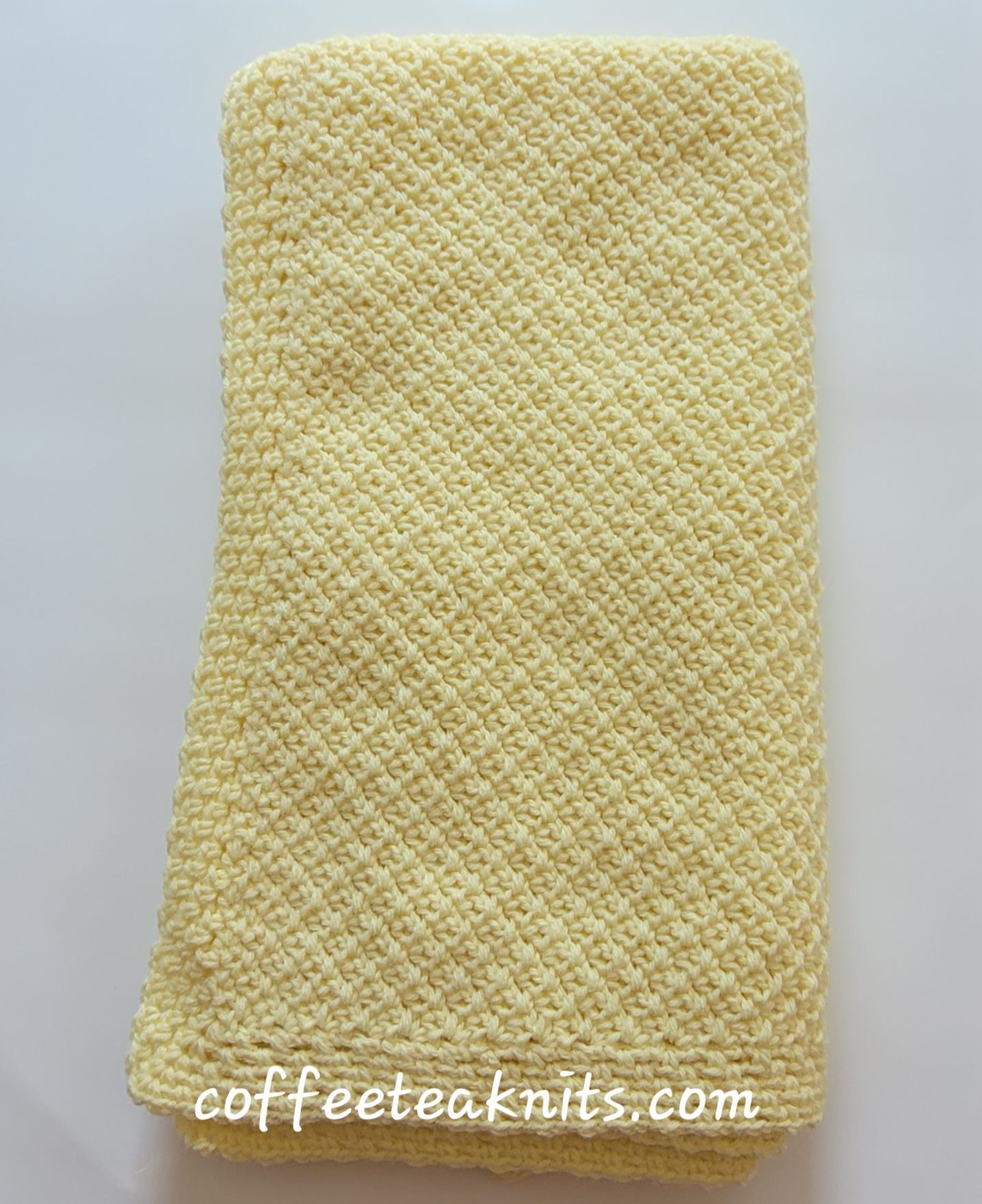
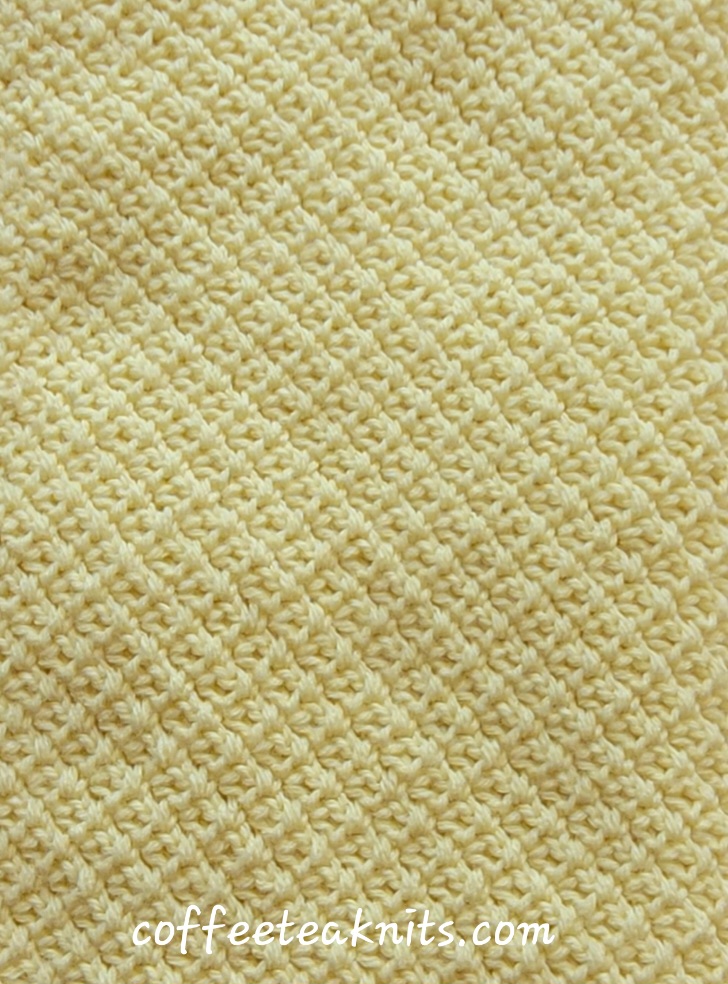
The February 2025 Earwarmer is crocheted flat and then the two ends are joined together with slip stitch crochet. The construction of this Earwarmer pattern is comparable to the “Goes with Everything Earwarmer” knitted version. It starts with a chain of eight stitches and ribbing. Then, it goes through a series of increases and length extension. It ends with a series of decreases and ribbing. The two ends are then joined together with a slip stitch crochet. A variation of the crochet moss stitch pattern is used for both earwarmers. February 2025 Earwarmer 1 is made with a cotton blend yarn and measures about 4.5 inches x 20 inches. February 2025 Earwarmer 2 is made with a merino wool blend yarn and measures about 4 inches x 19 inches.

The February 2025 Earwarmer Pattern

Materials Needed:
Yarn: Earwarmer 1 – Caron Blossom Cakes® yarn in Colorway: Bark
Yarn: Earwarmer 2 – Loops and Threads® Luxe Merino™ Wool Blend Colorway: Raindrops
Gauge: 5.5 stitches per inch for Earwarmer 1 and 5.0 stitches per inch for Earwarmer 2 in the variation crochet moss stitch pattern
Crochet hook: US size H-8 (5.00 mm) for February 2025 Earwarmer 1 and US size 7 (4.5 mm) for the February 2025 Earwarmer 2
Tapestry needle to weave in ends

Abbreviations:
sc: single crochet (Tutorial Series: How to Single Crochet)
scbl: single crochet in the back loop (insert crochet hook in the back strand of the stitch only)
[…]: pattern repeat
Skill Level: Beginner friendly pattern with single crochet, single crochet in the back loop, and crochet slip stitch)

The February 2025 Earwarmer Pattern (text and images for personal use only)

The February 2025 Earwarmer pattern is made up of the following sections:

      • Foundation Chain 
      • Ribbing
      • Increase
      • Length Extension
      • Decrease
      • Ribbing
      • Joining of the foundation row and the last (bind off) rows

Foundation Chain:

For February 2025 Earwarmer 1: Chain 8 stitches using crochet hook size H-8 (5.00 mm)
For February 2025 Earwarmer 2: Chain 8 stitches using crochet hook size 7 (4.50 mm)


Foundation Chain Set up and Ribbing Section:

  • Row 1 (RS): Skip the first stitch, [single crochet the purl bump in the back the next stitch], repeat […] till the last stitch, sc the purl bump in the back of the last stitch (on the slip knot side), chain 1 and turn

  • Row 2 (WS): Skip the first stitch, sc under both strands of the next stitch, [scbl (single crochet in the back loop) in the next stitch], repeat […] till the last stitch, sc under both strands of the the last stitch, chain 1 and turn 
  • Row 3 (RS): Repeat Row 2
  • Row 4 (WS): Repeat Row 2
  • Row 5: Repeat Row 2
  • Row 6: Repeat Row 2
  • Row 7: Repeat Row 2
  • Row 8: Repeat Row 2

Increase Section:

  • Row 9 (RS): Skip the first stitch and sc in the next stitch, chain 1 and sc again in the same stitch, chain 1, [skip a stitch, sc in the next next stitch, chain1], repeat […] till 2 stitches left, sc in the last stitch, chain 1, sc again in the same stitch, chain 1 and turn
  • Row 10 (WS): [Skip the first stitch, sc in the next stitch, chain 1], repeat […] till the last stitch, sc in the last stitch, chain 1 and turn – 12 stitches
  • Row 11 (RS): Repeat Row 9
  • Row 12 (WS): Repeat Row 10 – 16 stitches
  • Row 13 (RS): Repeat Row 9
  • Row 14 (WS): Repeat Row 10 – 20 stitches
  • Row 15 (RS): Repeat Row 9
  • Row 16 (WS): Repeat Row 10 – 24 stitches 

Customization Option: Repeat Rows 9 and 10 to increase the number of stitches to preferred size


Length Extension Section:

  • Row 17 (RS): [Skip the first stitch and sc in the next stitch, chain 1], repeat […] till 2 stitches left, sc in the last stitch, chain 1, and turn
  • Row 18 (WS): Repeat Row 17

Repeat Rows 17 and 18 till preferred length reached. The length extension for Earwarmer 1 is about 12 inches and for Earwarmer 2 it’s almost 11.5 inches


Decrease Section:

  • Decrease Section Row 1 (RS): Skip the first stitch, insert crochet hook into the next stitch, yarn over and pull the loop under and through that stitch (there are 2 loops on the crochet hook), skip a stitch and insert hook in the next stitch (4th stitch from the beginning), yarn over and pull the loop under and through that stitch (three loops on the hook now), yarn over and pull loop through the three loops on the hook, chain 1, [skip a stitch, sc in the next stitch, chain 1], repeat […] till 4 stitches left, insert crochet hook into the next stitch, yarn over and pull the loop under and through that stitch (there are 2 loops on the crochet hook), skip a stitch and insert hook in the last stitch, yarn over and pull the loop under and through that stitch (three loops on the hook), yarn over and pull loop through the three loops on the hook, chain 1 and turn
  • Decrease Section Row 2 (WS): [Skip the first stitch and sc in the next stitch, chain 1], repeat […] till 2 stitches left, sc in the last stitch, chain 1, and turn – 20 stitches left
  • Decrease Section Row 3 (RS): Repeat Decrease Section Row 1
  • Decrease Section Row 4 (WS): Repeat Decrease Section Row 2 – 16 stitches left
  • Decrease Section Row 5 (RS): Repeat Decrease Section Row 1
  • Decrease Section Row 6 (WS): Repeat Decrease Section Row 2 – 12 stitches left
  • Decrease Section Row 7 (RS): Repeat Decrease Section Row 1
  • Decrease Section Row 8 (WS): Repeat Decrease Section Row 2 – 8 stitches left

Customization Option: Repeat Decrease Section Rows 1 and 2 if there are more than 24 stitches 


Ribbing Section:

  • Decrease Section Row 9 (RS): Skip the first stitch, sc under both strands of the next stitch, [scbl (single crochet in the back loop) in the next stitch], repeat […] till the last stitch, sc under both strands of the the last stitch, chain 1 and turn 
  • Decrease Section Row 10 (WS): Repeat Decrease Section Row 1
  • Decrease Section Row 11 (RS): Repeat Decrease Section Row 1
  • Decrease Section Row 12 (WS): Repeat Decrease Section Row 1
  • Decrease Section Row 13 (RS): Repeat Decrease Section Row 1
  • Decrease Section Row 14 (WS): Repeat Decrease Section Row 1
  • Decrease Section Row 15 (RS): Repeat Decrease Section Row 1
  • Decrease Section Row 16 (WS): Repeat Decrease Section Row 1

The finished pieces:


Crochet Slip Stitch Join of the Last (Bind-off) and the Foundation Rows:

The earwarmer pattern is reversible so either sides can be used for joining. As in the image above, insert the crochet hook into the first stitch of the foundation row first, then insert it into the last stitch of the last (bind off) row, yarn over and pull the loop through both stitches for a slip stitch join, repeat to the last stitches of both ends and pull yarn through (see video below)

The joined foundation and last row of the earwarmers:


Weave in the ends, wash and block the February 2025 Earwarmers


Comment below if you also find knitting and crocheting therapeutic?

Keep on knitting and crocheting!


~coffeeteaknits.com

Tutorial Series: Slip Slip Knit (SSK)

Another way to decrease a stitch in knitting is to do a “Slip Slip Knit (SSK)”. In SSK, a stitch is decreased when two stitches are slipped and then knit together through the back loop. Decreasing stitches like increasing stitches are techniques in knitting used to give shape to knitted items. Unlike K2tog (Tutorial Series: K2tog and P2tog) technique which forms a right-leaning decrease, SSK technique forms a left-leaning decrease. The written instructions and video below show how to decrease one stitch for right handed knitting.

Slip Slip Knit (SSK):


The Steps for Slip Slip Knit (SSK):

  1. Slip the first two stitches knitwise (one at a time) on the left knitting needle to the right knitting needle
  2. Transfer the two slipped stitches (one at a time) now on the right knitting needle back to the left knitting needle
  3. Insert the right knitting needle through the back loop of those two slipped stitches on the left knitting needle
  4. Knit (Tutorial Series: Knit and Tink) the two stitches together through the back loop (one stitch decreased)
  5. Repeat steps 1 to 4 as needed for a knitting pattern

~coffeeteaknits.com

Tutorial Series: The Provisional Cast-On Method

The provisional cast-on is a temporary cast on method. With this technique, the “live” stitches on the waste yarn are picked up later. They are then knit in the opposite direction. A common way to make a provisional cast on is to make a crochet chain from waste yarn first. Then, with the project yarn, make stitches using the purl bumps of the crochet chain. Later, remove the crochet chain waste yarn by picking up the “live” stitches and knitting them in the opposite direction. For example, I use provisional cast on to start a top down sweater. Once the body of the sweater is finished, I pick up the “live” stitches. Then, I knit the collar in the opposite direction. There are several different kinds of knitting projects that use the provisional cast on method. The written instructions and video on how to do the provisional cast on is shown below for right handed knitting.

The Provisional Cast-On Method:


The Provisional Cast-On Stitches:


The Steps for the Provisional Cast-On Method:

  1. Using a waste yarn (or a yarn different from the knitting project yarn), make a crochet chain (Tutorial Series: How to Crochet Chain) with the number of stitches specific for a project
  2. [Tip: chain a few extra stitches than needed for the project]
  3. Turn the crochet chain so that the purl bumps are facing you (image below)
  4. Insert a knitting needle into the purl bump (image below)
  5. Make a loop with the project yarn and slide it onto the knitting needle
  6. Tighten and secure the project (working) yarn as needed
  7. Bring the project yarn loop through the purl bump and onto the needle
  8. Insert the knitting needle into the next purl bump
  9. Bring the project (working) yarn around the knitting needle (counterclockwise), catch and pull the yarn loop through the purl bump and onto the needle
  10. Repeat Steps 8 and 9 till you have all the stitches needed for a knitting project

~coffeeteaknits.com

The Light Unexpected Find Wrap Pattern


The Light Unexpected Find Wrap pattern is mostly based on the The Unexpected Find Wrap Pattern. The Light Unexpected Find Wrap is also a triangular shaped shawl. It is knit bottom up. The shawl features a two row repeat brioche honeycomb stitch pattern. However, nine stitches instead of seven are cast on for this shawl. It is also knit with a merino wool blend DK weight yarn (Loops and Threads® Luxe Merino™ Wool Blend). This yarn is lighter yet warm, making it suitable for this winter season. The yarn is also budget friendly and can be purchased at Michaels store.

The Light Unexpected Find Wrap Pattern (text and images for personal use only)

Materials Needed:

Yarn: Loops and Threads® Luxe Merino™ Wool Blend Colorway: Blue Dawn
Knitting Needles: US #6 (4.0 mm) long circular needle
Gauge: 4.5 stitches / inch after blocking

Abbreviations:

  • K: Knit
  • P: Purl
  • RS: right side
  • WS: wrong side
  • Pfb: Purl front and back – purl one stitch first in the front and then purl the same stitch in the back before slipping it off the left needle (Tutorial Series: Pfb (Purl front and back))
  • K2tog: Knit two stitches together on the left needle (Tutorial Series: K2tog and P2tog)
  • Ktbl: knit one stitch through the back loop
  • pm: place marker
  • rm: remove marker
  • sm: slip marker
  • S1: slip yarn purlwise
  • yo: yarn over – bring the working yarn under and over the right needle clockwise and to the back before knitting the next stitch (Tutorial Series: Yarn Over (YO) with Knit Stitches)
  • yo backward: for bind off only – knit one stitch then wrap the working yarn anticlockwise over and under the right hand knitting needle bringing the yarn to the back before knitting the next stitch
  • […]: pattern repeat


Knitting Skill level: Advanced Beginner (increasing and decreasing stitches, cable cast on)

Cast on 9 stitches with US #6 (4.0 mm) long circular knitting needles using the cable cast method (Tutorial Series: The Cable Cast-on Method)

  • Row 1 (RS): K1, pm, Pfb, [P1,K1] 2x, P1, Pfb, pm, K1 (11 stitches)
  • Row 2 (WS): K1, sm, [P1,K1] 4x, P1, sm. K1    
  • Row 3: K1, sm, Pfb, [K1,P1] 3x, K1, Pfb, sm, K1 (13 stitches) 
  • Row 4: K1, sm, Ktbl, [P1,K1] 5x, sm, K1   
  • Row 5: K1, sm, Pfb, [P1,K1] 4x, P1, Pfb, sm, K1 (15 stitches)
  • Row 6: K1, sm, [P1,K1] 6x, P1, sm, K1
  • Row 7: K1, sm, Pfb, [K1,P1] 5x, K1, Pfb, sm, K1 (17 stitches)
  • Row 8: K1, sm, Ktbl, [P1,K1] 7x, sm, K1 
  • Row 9: K1, sm, Pfb, [P1,K1] 6x, P1, Pfb, sm, K1 (19 stitches)
  • Row 10: K1, sm, [P1,K1] 8x, P1, sm, K1 
  • Row 11 (RS): K1, rm, P1, K1, P1, K1, P1, K1, pm, yo, K5, yo, pm, K1, P1, K1, P1, K1, P1, rm, K1 (21 stitches)
  • Row 12 (WS): K1, P1, K1, P1, K1, P1, K1, sm, K1, Ktbl, [yo, S1, K1] 2x, K1, sm, K1, P1, K1, P1, K1, P1, K1
  • Row 13 (RS): K1, P1, K1, P1, K1, P1, Ktbl, sm, yo, K1, [K1, K2tog] 2x, K2, yo, sm, K1, P1, K1, P1, K1, P1, K1  (23 stitches)
  • Row 14 (WS): K1, P1, K1, P1, K1, P1, K1, sm, K1, Ktbl, [yo, S1, K1] till 1 stitch before marker, K1, sm, K1, P1, K1, P1, K1, P1, K1
  • Row 15 (RS): K1, P1, K1, P1, K1, P1, Ktbl, sm, yo, K1, [K1, K2tog] till 2 stitches before marker, K2, yo, sm, K1, P1, K1, P1, K1, P1, K1 (25 stitches)

[Repeat Rows 14 and 15] until you have 175 stitches on the needle. End with the RS side row. You can continue with the row repeats till preferred length is reached.

Bind Off Row (WS): K1, yo backward, K1, pass the yo and first knit stitch on the right hand needle over the second knit stitch on the right hand needle. (Several video tutorials for other stretchy bind off are available on YouTube). I used Jeny’s Surprisingly Stretchy Bind-Off method in knit stitch pattern for binding off this wrap.

Weave in the ends, wash and block The Light Unexpected Find Wrap


~coffeeteaknits.com

Tutorial Series: The Thumb Method Cast-on

The Thumb method cast-on is a commonly used long tail cast-on technique. A long tail of yarn is set aside on one side of the slip knot. The working yarn is on the other side of the slip knot. The thumb is used to form the loop that is used to make a new stitch on the knitting needle. Another example of a long tail cast-on technique is the slingshot method. In this method, the thumb and the index finger create a new stitch. The thumb method is beginner-friendly and a quick cast-on method. I use the thumb method cast-on mostly for knitting projects with few stitches (dishcloths, etc.). The written instructions and video below on how to do the thumb method cast-on are shown for right-handed knitting.

The Thumb Method Cast-On:


The Steps for the Thumb Method Cast-On:

  1. Make a slip knot (Tutorial Series: How to Slip Knot) with a yarn tail that will be enough for the number of stitches for a specific knitting project
  2. Insert the slip knot onto a knitting needle
  3. Holding the yarn tail with some tension in the left fist, wrap the left thumb under and over the yarn tail to make a loop
  4. Insert the right hand needle into the front strand of the loop on the thumb
  5. Bring the working yarn around the top of the right needle and wrap it between the thumb and the right knitting needle
  6. Catch and pick up the working yarn loop (a new stitch) with the right needle
  7. Repeat Steps 3 – 6 to cast-on the required number of stitches needed for a knitting project

~coffeeteaknits.com