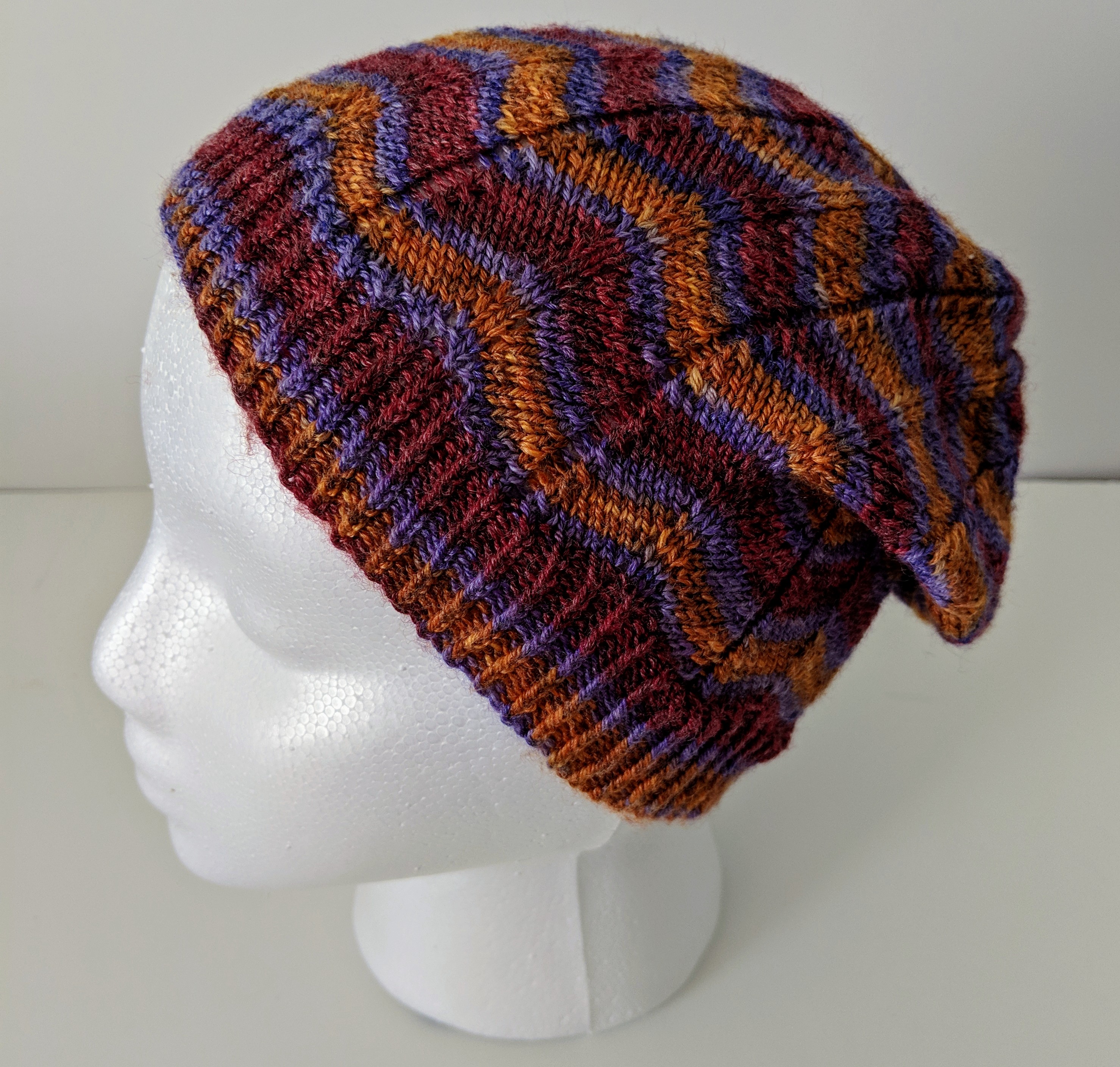
A yarn made for improvised knitting

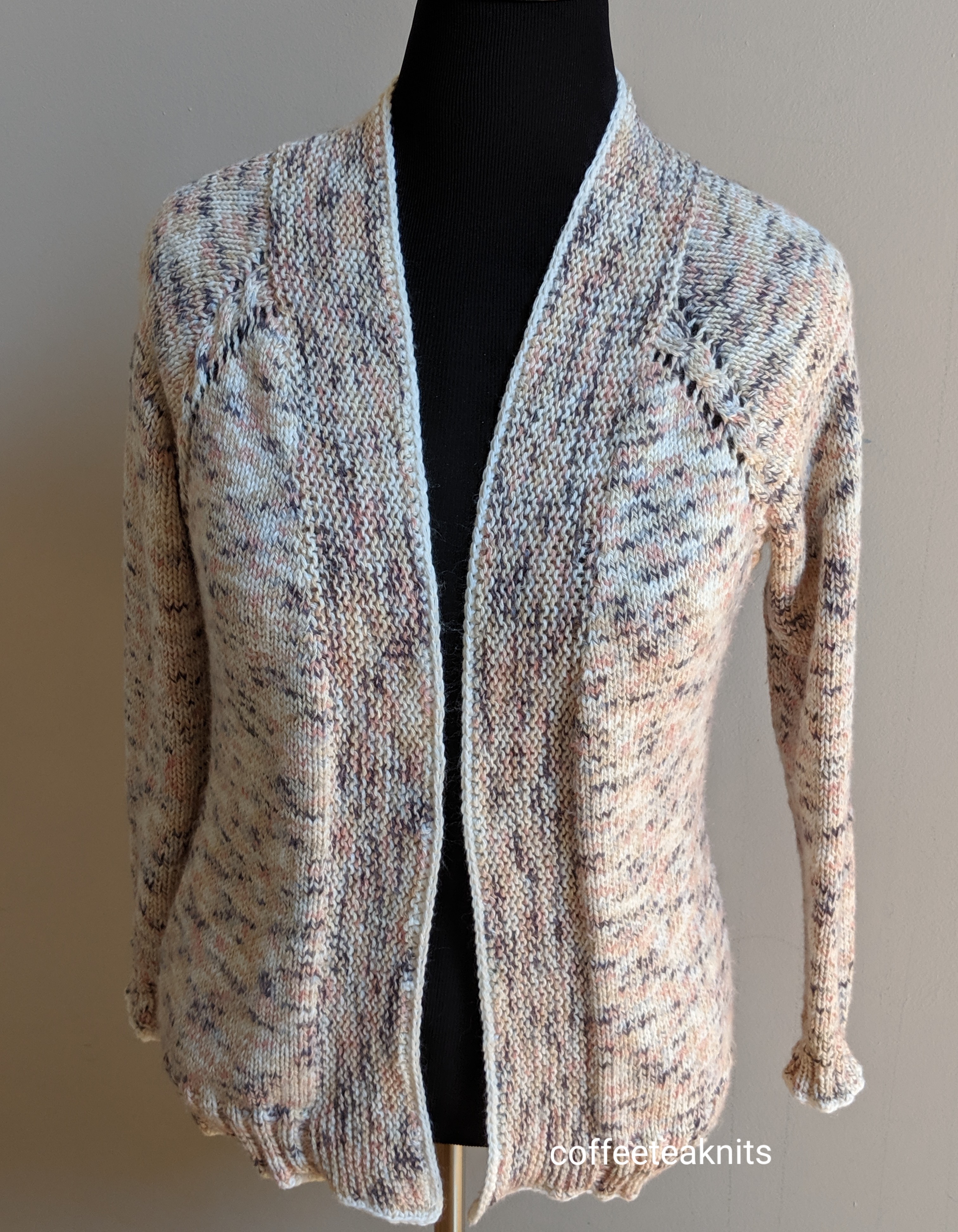
The Yarn: Lion Brand® Comfy Cotton Blend™

Improvised knitting: to knit spontaneously without a published knitting pattern in front of you.

The knitted item: A Comfortable Cardigan (more details on my Ravelry project page)

The knitting experience: It was enjoyable, relaxing, creatively satisfying, engaging, and gave me a chance to apply some of the knitting techniques (such as cables, short rows, single crochet edging etc.) I had already learnt.

The yarn experience: The yarn is machine washable, budget friendly, so soft to knit and so comfortable to wear.


August Hat for the #WNHyearofhatsKAL2019


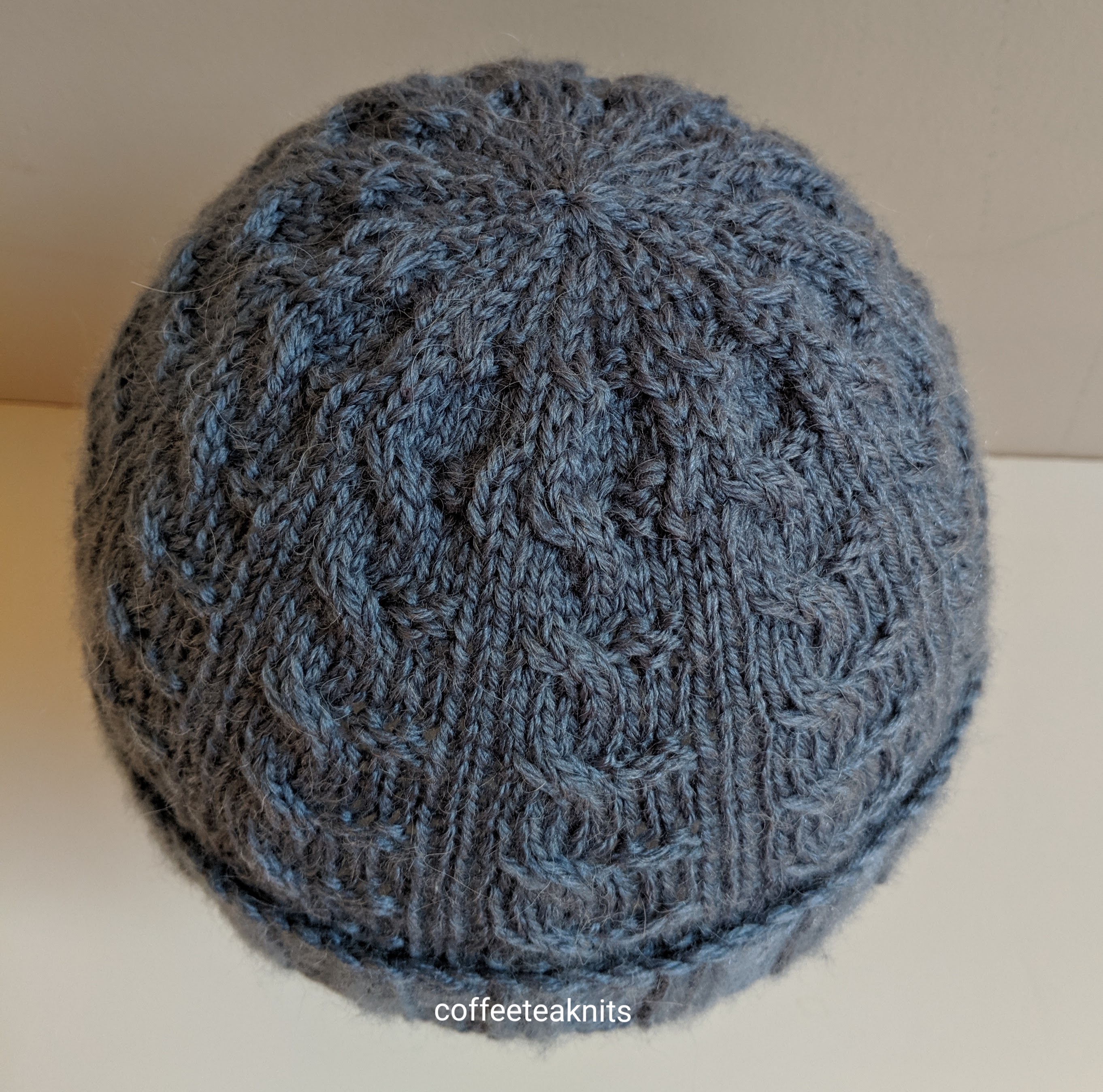
Yarn used: Lion Brand® Touch of Alpaca®

Summertime and knitting

Somehow for me knitting with worsted weight yarn and summertime don’t go well together. So every summer I try to knit with cotton yarn or lighter weight yarn. Those projects do take more time to complete. This summer though will be different. With a loom no matter what yarn type or yarn weight I use I can still complete weaving projects in less time than my knitting projects.

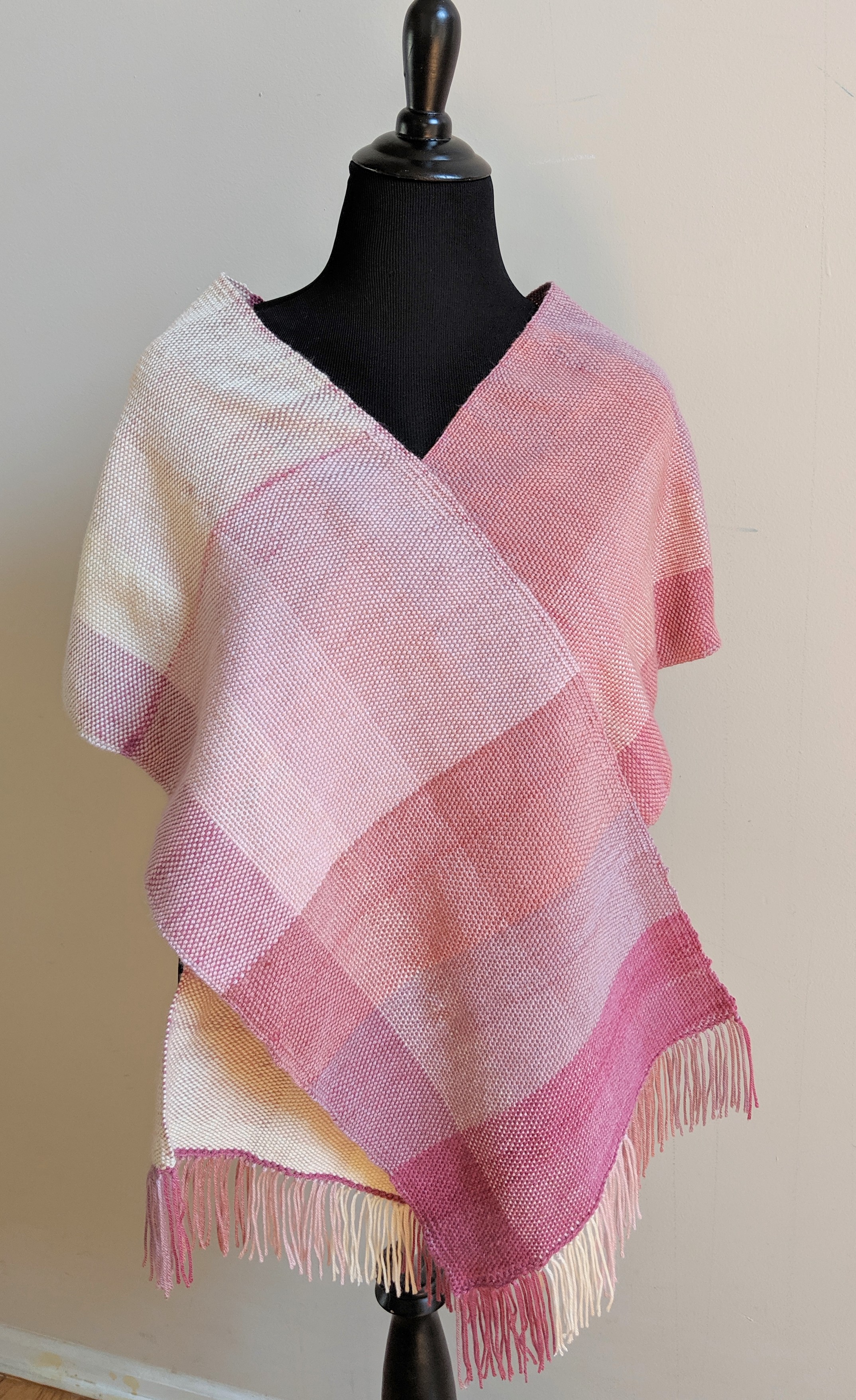
Woven Wrap

coffeeteaknits_wovenwrap


June Hat for the #WNHyearofhatsKAL2019

The potential of yarn

Does the potential of yarn make it difficult for you to give it away? It does for me.
Is it easier to knit and give away the finished item? It is for me. Although finishing knitting projects take time sometimes weeks to months or years.
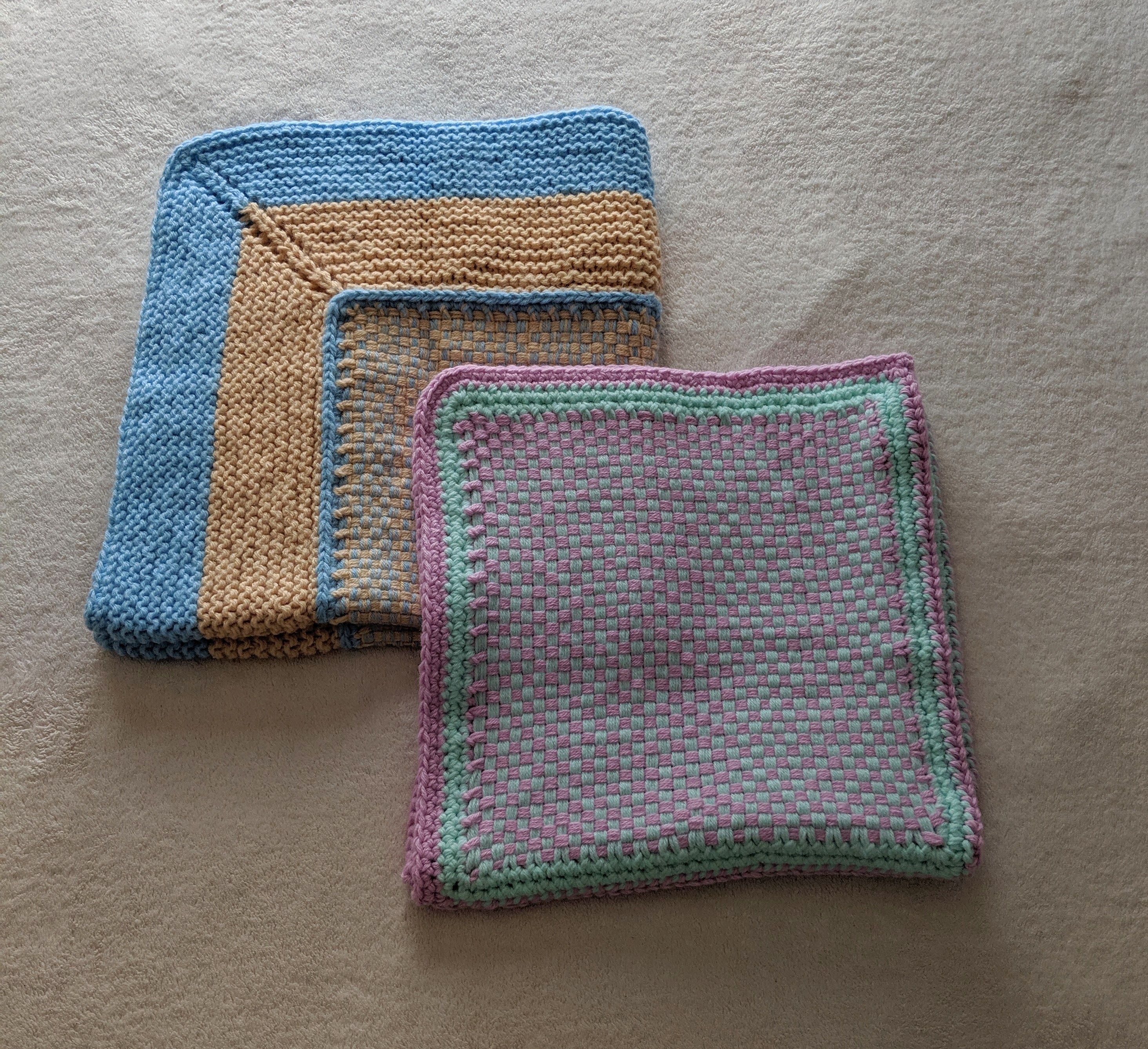
So in an effort to reduce the time it takes to finish a yarn project, I began dabbling in weaving using a large size pot holder type loom I put together.
Add a rigid heddle loom and it opens up a whole new way to realize the potential of yarn! Watch this space for more weaving projects.


May 2019 hat for the #WNHyearofhatsKAL2019

Knitted with Premier Chamonix® Yarn


~coffeeteaknits.com

Knitting with anti-pilling yarn

My version of Udina – a top down seamless cabled pullover pattern by Norah Gaughan

Yarn used: Premier Anti-Pilling Everyday Yarn (used to be Deborah Norville Collection when I bought the yarn few years ago).
I’ve knit several other sweaters with this yarn and compared to other yarn (including wool yarn) it doesn’t pill much. It is soft to knit and wear, warm, budget friendly, and machine washable. This yarn is great for knitting sweaters, blankets, cowls, hats etc. and a good alternative for those sensitive to wool.


March Hat for the #WNHyearofhatsKAL2019
Pattern used: Sideways Bobble Hat by Woolly Wormhead
Yarn Used: Premier Yarn Every day and Premier Serenity Sock


~coffeeteaknits.com

Photography, a non knitting skill that is helpful to knitters

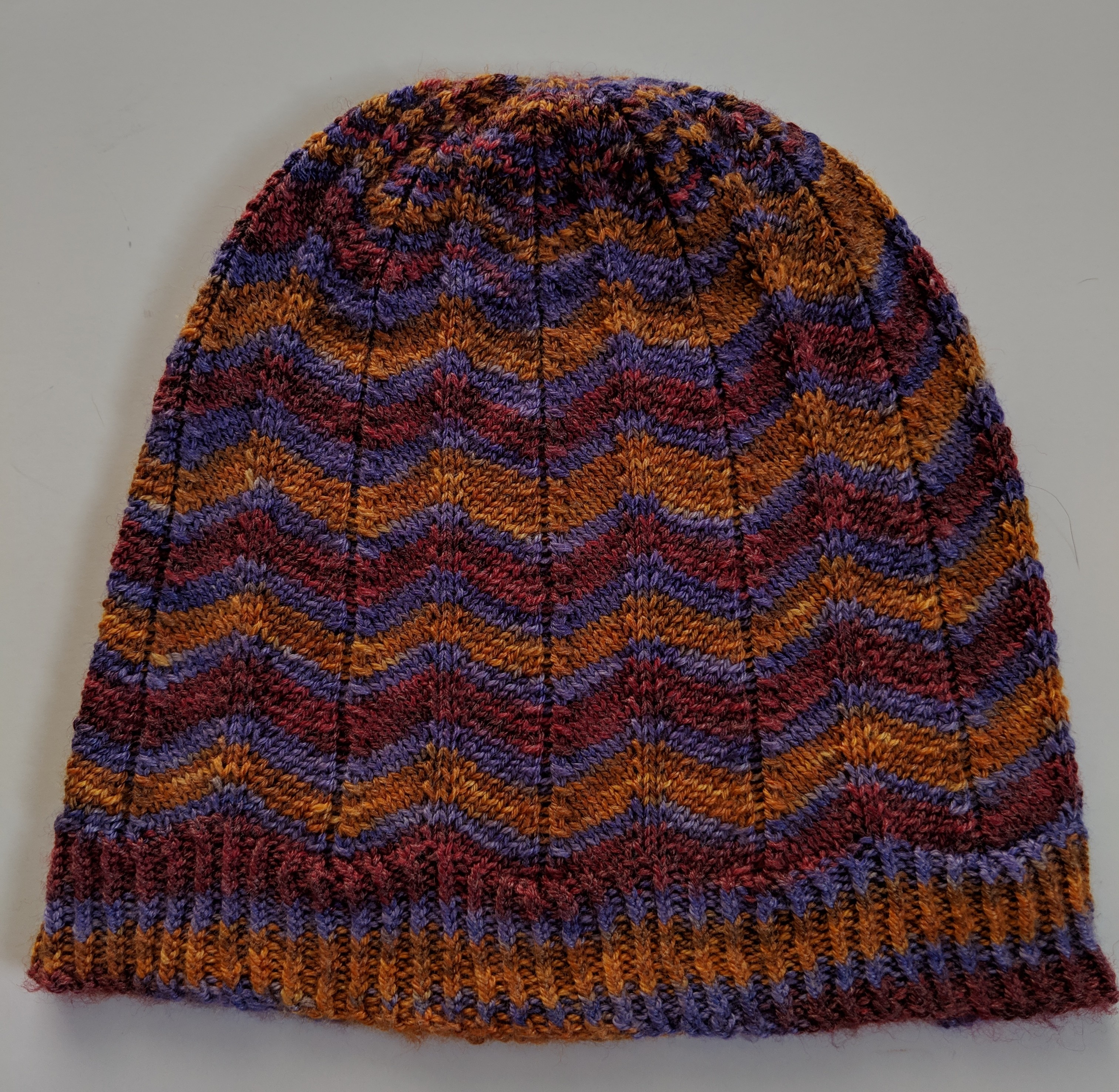
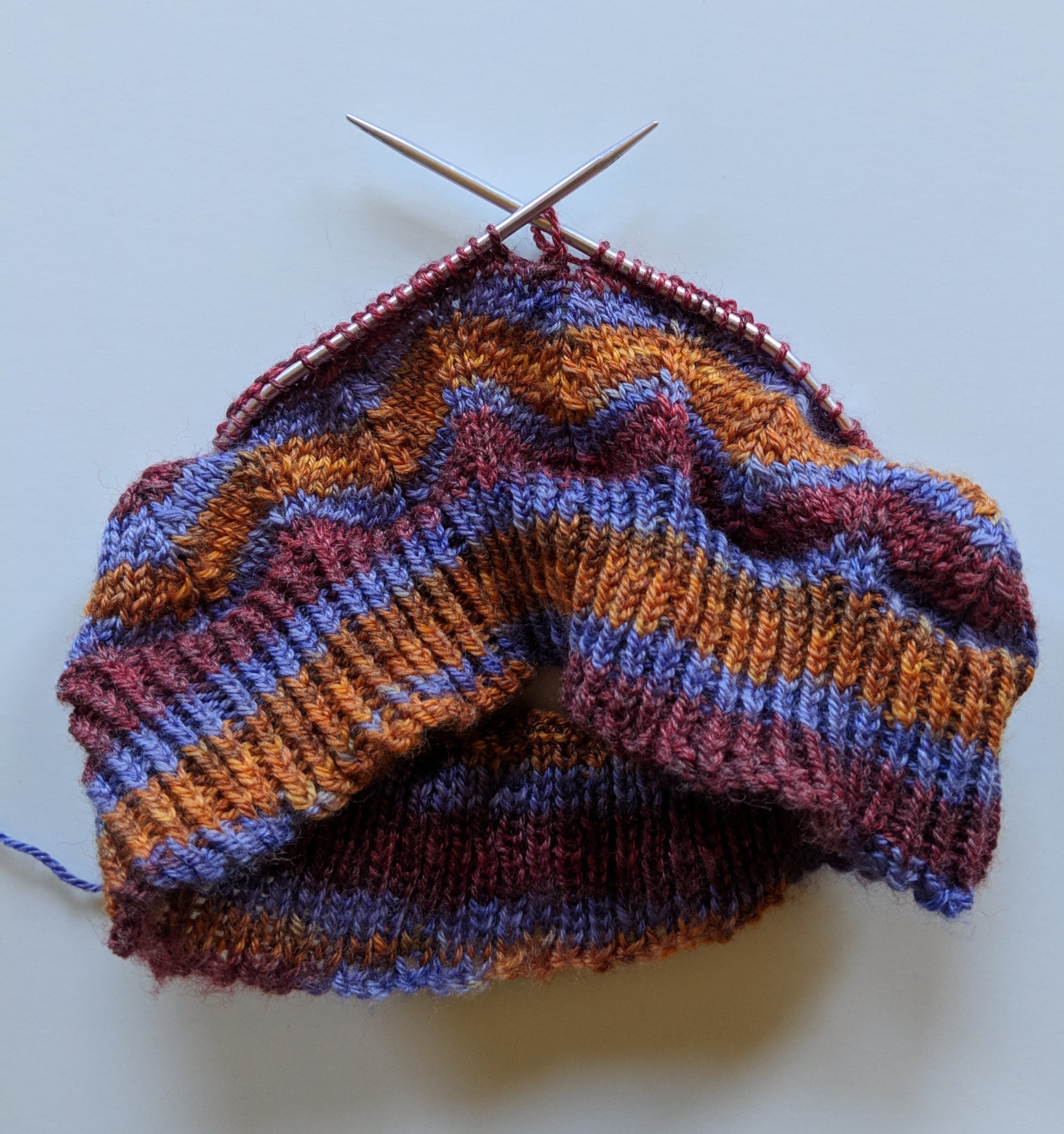
February Hat for the #WNHyearofhatsKAL2019
The pattern used was Fruju Hat by Deb Cunningham
Yarn: a merino bamboo fingering weight yarn by Taylored Fibers I bought few years back.

As a hobby knitter it takes me days and sometimes months to complete my  knitting projects and yet I spend very little time when it comes to taking good photographs of the knitted items. I think it’s important to spend the time to learn how to take good photographs of the knitted items to showcase them on blog sites, Ravelry or any other social media. Nowadays smartphones with good camera resolution can be used to improve photography skills. There are many resources and tips* available online on how to improve picture taking skills with a smartphone.

Here’s a general summary of some of the tips mentioned:

  • Clean the camera lens before taking any picture with a lens wipe or a microfiber cloth
  • Find a good location around the house, outside etc.
  • Lighting – as much as possible use indirect natural lighting
  • Focus camera on the item to be photographed
  • Take as many pictures to get the one that is good for posting
  • Be ready to spend quite a bit of time to get that one good photo.
  • Take time to edit photos using the photo editing tool on the phone

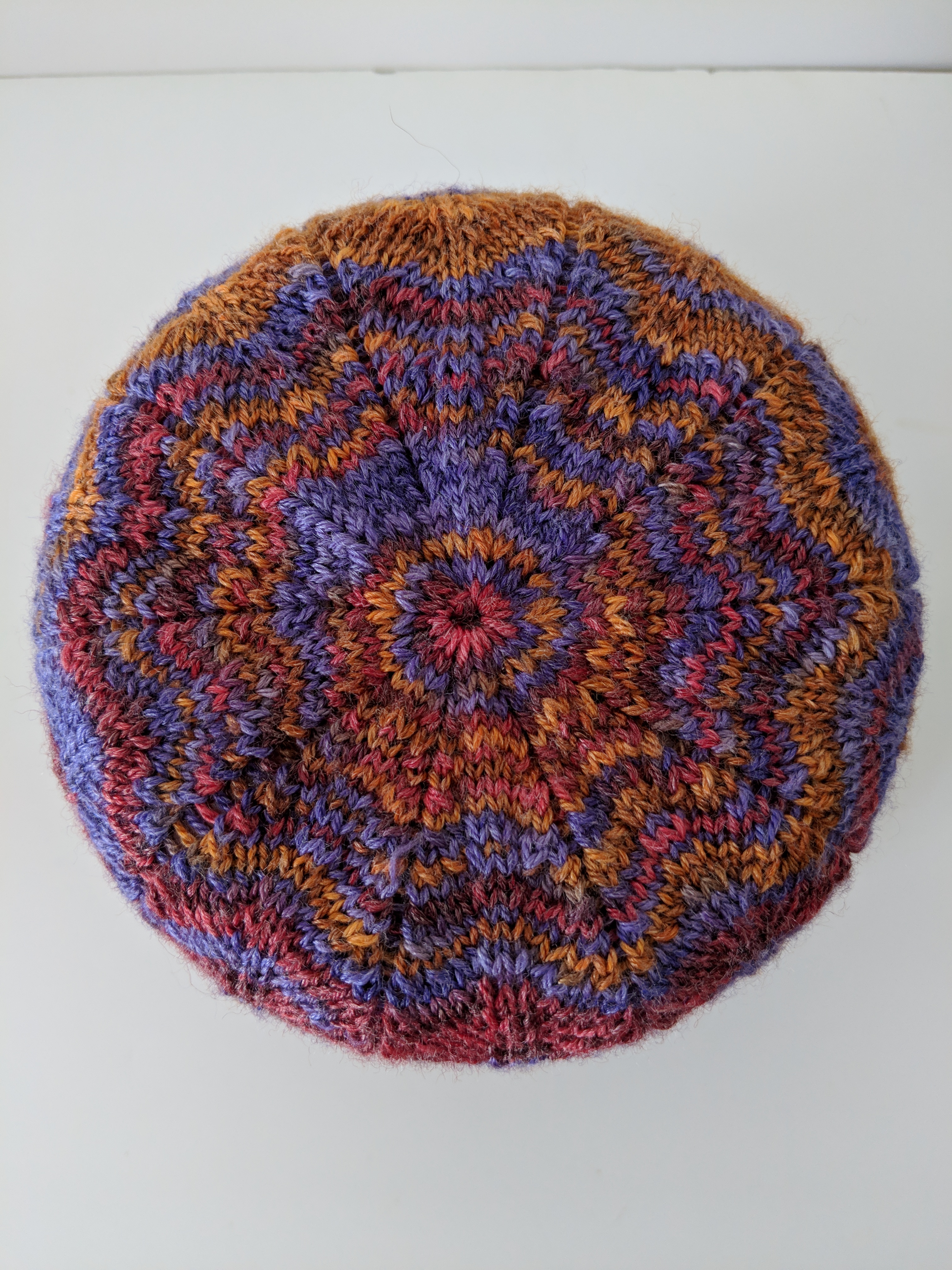
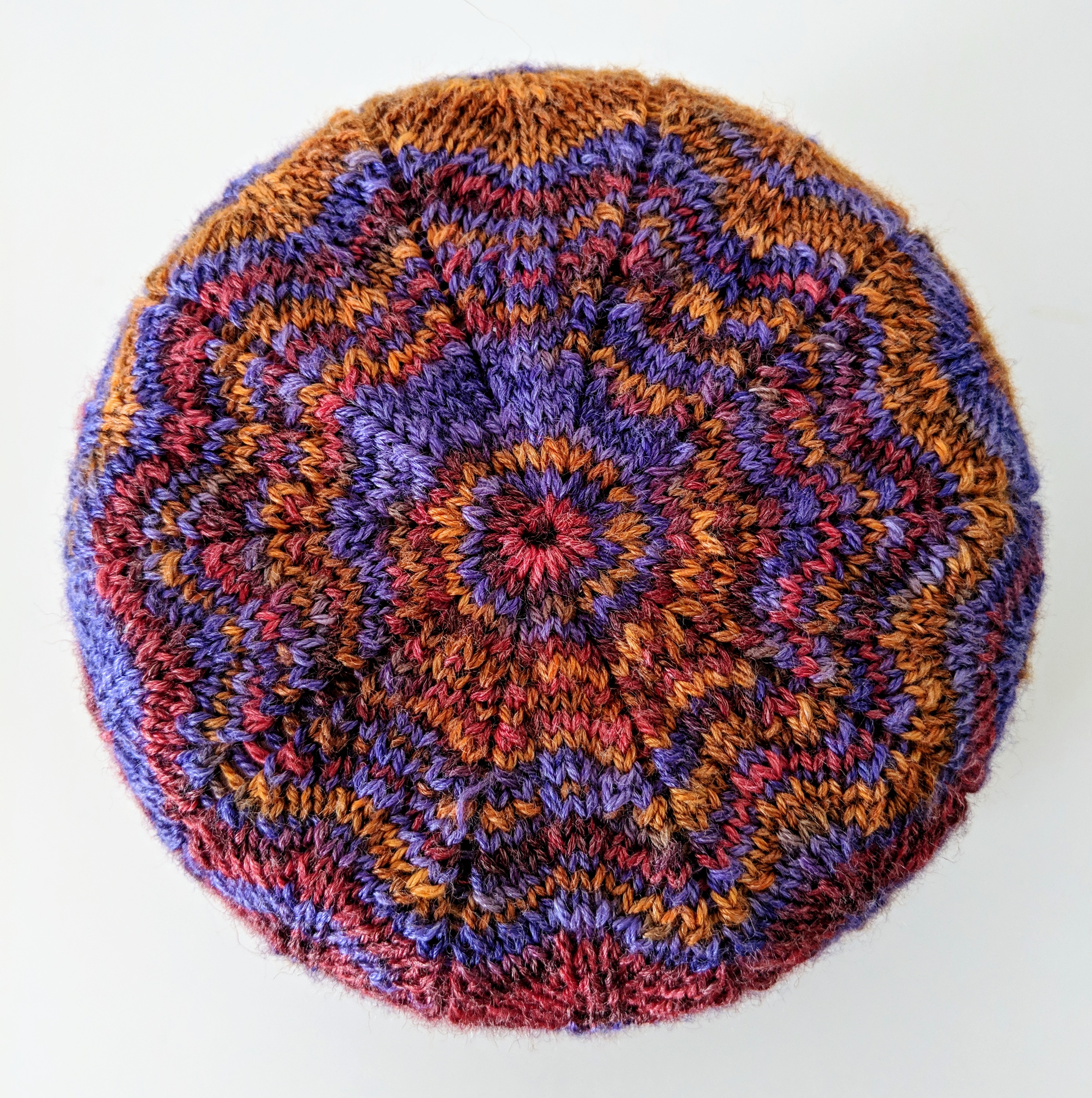
With lighting, location and other tips in mind I took several more pictures of the hat I knit this month for the hat knit – along. Here are the original and edited pictures of the ones I thought were the better ones.

Original Edited

I’ve learnt a few things about taking good picture taking but need to learn more including how to use the picture editing tools. The only downside to taking pictures with a smartphone is that you need to spend a bit more time removing all the pictures that didn’t turn out well!

How do you take photos of your knitted items?


* “Take better smartphone photos with these simple tips and tricks
* “How to Take Amazing Product Photos With a Smartphone


~coffeeteaknits.com