The Thumb method cast-on is a commonly used long tail cast-on technique. A long tail of yarn is set aside on one side of the slip knot. The working yarn is on the other side of the slip knot. The thumb is used to form the loop that is used to make a new stitch on the knitting needle. Another example of a long tail cast-on technique is the slingshot method. In this method, the thumb and the index finger create a new stitch. The thumb method is beginner-friendly and a quick cast-on method. I use the thumb method cast-on mostly for knitting projects with few stitches (dishcloths, etc.). The written instructions and video below on how to do the thumb method cast-on are shown for right-handed knitting.
The Thumb Method Cast-On:
The Steps for the Thumb Method Cast-On:
Make a slip knot (Tutorial Series: How to Slip Knot) with a yarn tail that will be enough for the number of stitches for a specific knitting project
Insert the slip knot onto a knitting needle
Holding the yarn tail with some tension in the left fist, wrap the left thumb under and over the yarn tail to make a loop
Insert the right hand needle into the front strand of the loop on the thumb
Bring the working yarn around the top of the right needle and wrap it between the thumb and the right knitting needle
Catch and pick up the working yarn loop (a new stitch) with the right needle
Repeat Steps 3 – 6 to cast-on the required number of stitches needed for a knitting project
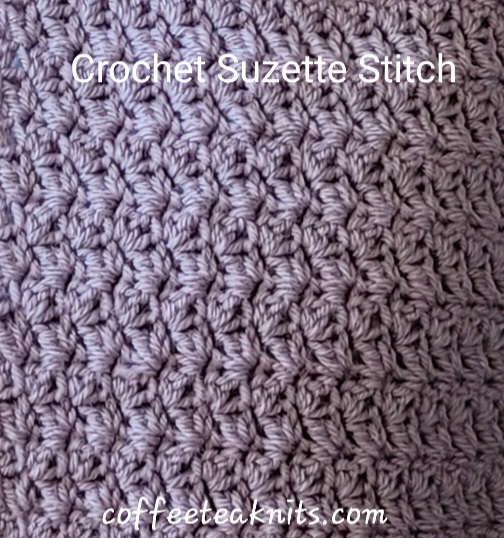
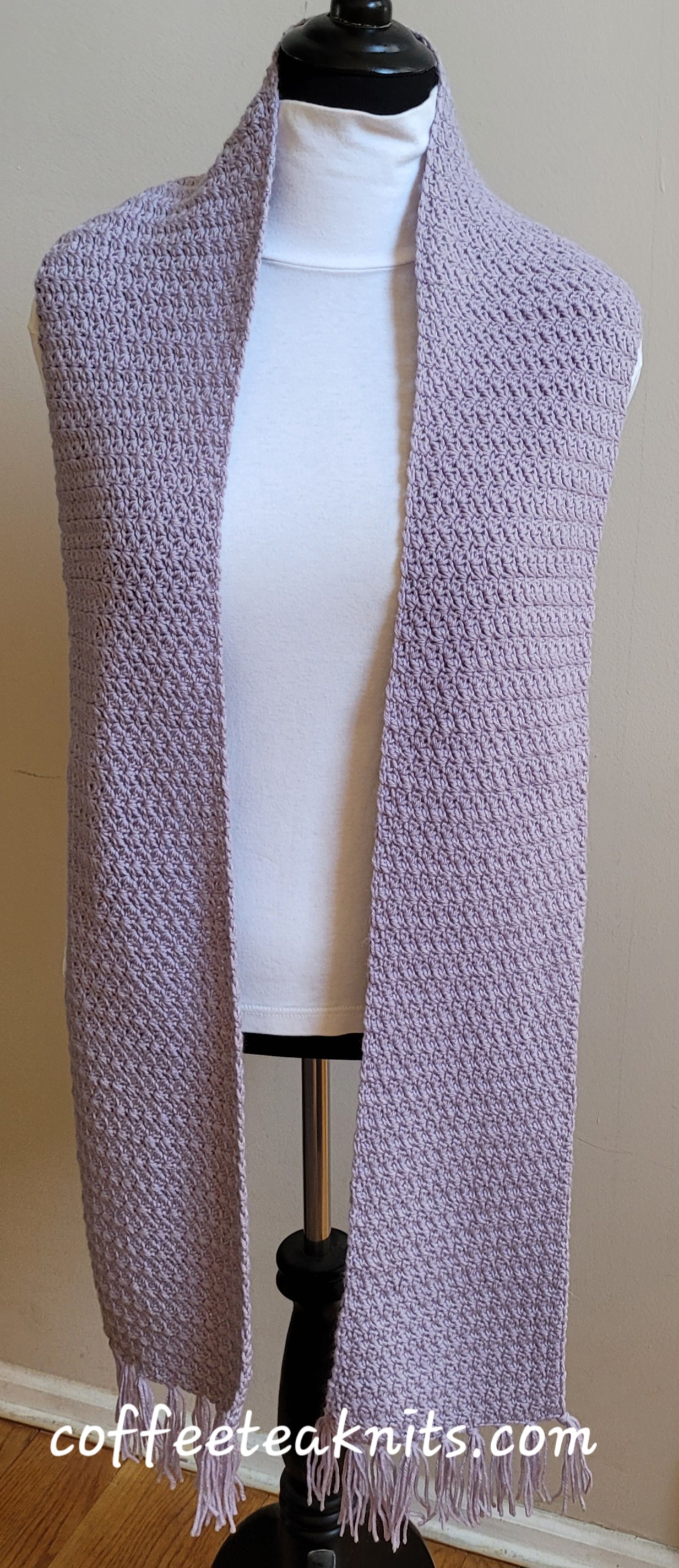
The Berry Bunches Scarf is a flat rectangular scarf in the crochet suzette stitch pattern. It’s a fun and quick project that is a combination of single and double crochet. Fringes are also added to the scarf. The yarn used for the project is Loops and Threads® Luxe Merino™ Wool Blend I purchased at Michaels. This soft and warm yarn is perfect for this time of year. The Berry Bunches Scarf, after washing, is about seven inches wide and eighty-three inches in length. The length and width can be customized, making the scarf more versatile.
The Berry Bunches Scarf Pattern (text and images for personal use only)
Single Crochet in the back purl bump of the second chain from the hook
Row 1 (RS): sc in the purl bumps all across the row till the last stitch. In the last stitch sc, chain 1 and turn
Row 2 (WS): sc, chain 1, [skip a stitch, (sc and then dc in the next stitch)], repeat […] till last 2 stitches in the row, sc, chain 1 and turn
Repeat Row 2 for the crochet suzette stitch till desired length reached
Last Row (RS): sc all across the last row. In the last stitch, sc and cut six inches of working yarn and pull yarn the loop on the crochet hook
Adding Fringes (Optional): Fringes were made with 4 strands (about 10 inches long) of Raindrops yarn colorway. There are several helpful video tutorials on YouTube on how to add fringes. For the Berry Bunches Scarf, nine fringes were added to each of two ends.
Trim the fringes to preferred length
Weave in the yarn, wash and block the Berry Bunches Scarf
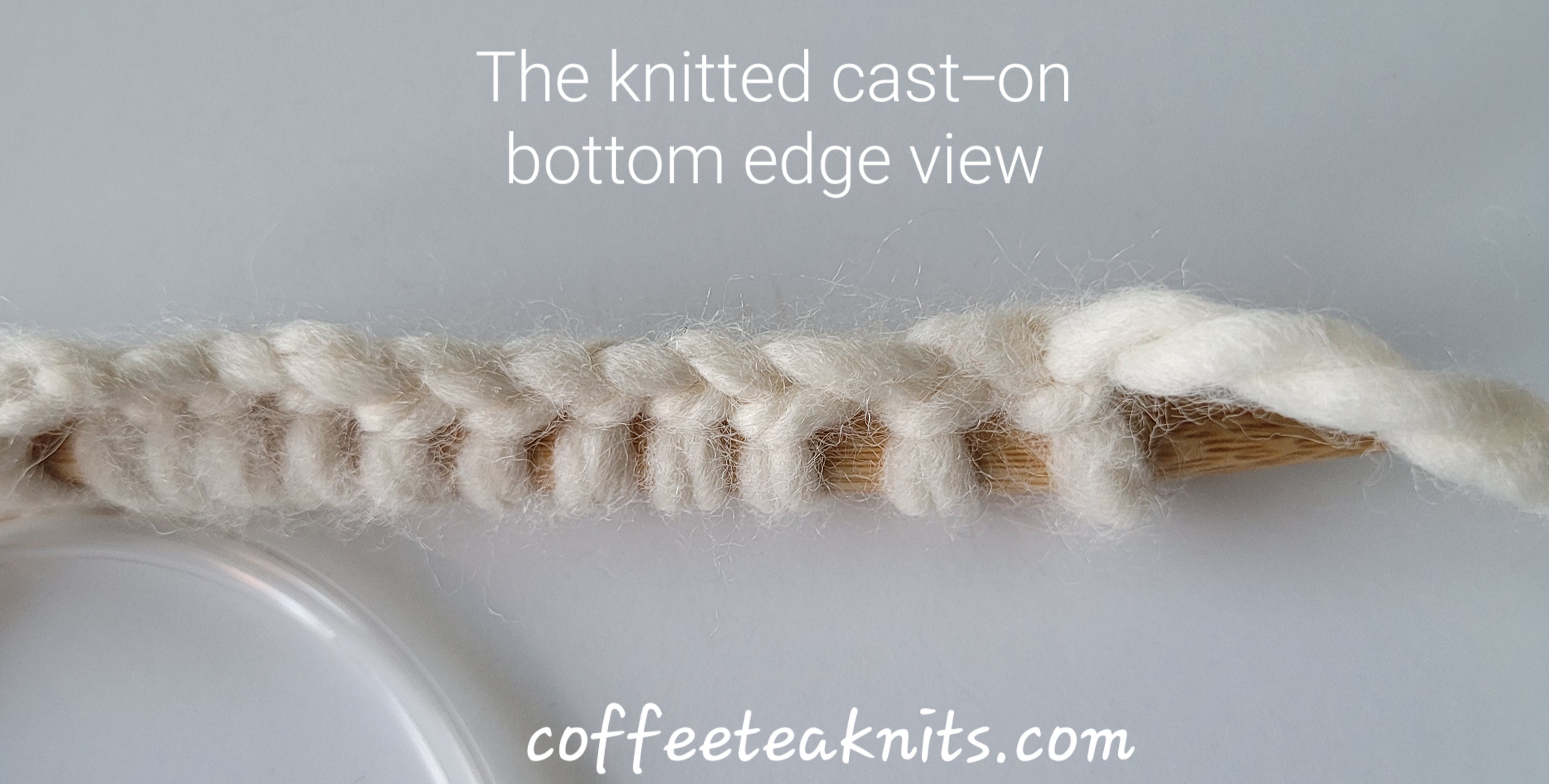
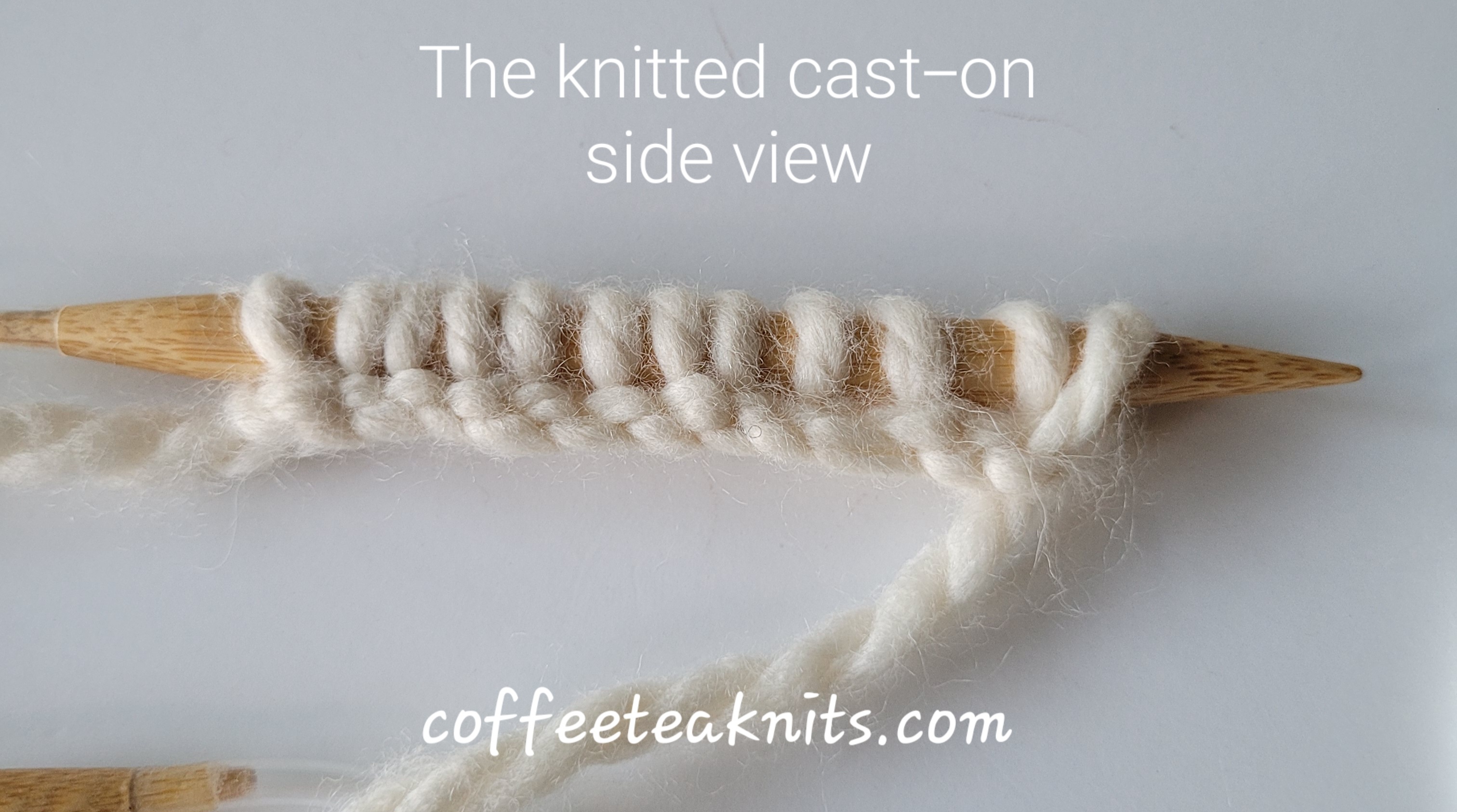
The Knitted Cast-On is one of many cast-on techniques in knitting. Other cast-on methods include the long tail cast-on, cable cast-on, provisional cast-on, the thumb method, picot cast-on, stretchy cast-on etc. The Knitted cast-on method is ideal for large projects. Use it when a large number of stitches are required for cast-on. This is typical for a blanket or shawl pattern. This method like the cable cast-on does not need a long yarn tail. The Knitted Cast-On is also a great beginner friendly cast-on method since it is basically the knit stitch. I usually use the knitted cast-on for knitting projects where all the edge stitches are later picked up for a more decorative border. The knitted cast-on begins with a slip knot and each additional stitch is then knitted on. The written instructions and video below on how to do the knitted cast-on is shown for right-handed knitting.
Transfer the slip knot loop onto the left knitting needle
Insert the right knitting needle into the slip knot and bring working yarn around and in between the two needles as if to knit (Knit and Tink)
Catch and pull the working yarn loop onto the right knitting needle
Transfer the new stitch loop from the right knitting needle onto the left knitting needle by inserting the left knitting needle under the front strand of the new stitch loop
Tug the working yarn to tighten the new stitch loop on the left knitting needle
Insert the right knitting needle into the first stitch on the left knitting needle
Catch and pull the working yarn loop with the right knitting needle
Move the new stitch loop from the right knitting needle to the left knitting needle by inserting the left knitting needle under the front strand of the new stitch loop
Tug the working yarn to tighten the new stitch loop on the left knitting needle
Repeat steps 7 – 10 till the desired number of stitch count is reached for a knitting project
This year at the New Jersey Sheep and Fiber Festival, I was happy to see Marian of the Marianted Yarns since it was her last time vending there. A few years ago, I bought a Practicality 75/25 (superwash merino/nylon) fingering weight skein in the Beeswax colorway from her. I wanted another skein in that colorway this year, but it was unavailable. Instead, I chose the Honeycomb colorway and purchased it. Both colors remind me of the autumn leaves in my yard. I will miss Marianated Yarns next year, but the Autumn Leaves Cowl will help me remember this wonderful day at the festival.
The Autumn Leaves Cowl is crocheted back and forth, holding two strands of the same colorway of yarn together. The single crochet V stitch pattern is repeated several times, with alternating colorways every 2 rows. A row of crochet moss stitch is made from the right side to the left. This helps flatten the bump from the V stitch cluster. A row of crochet moss stitch is also made on the foundation chain edge, starting at the slip knot stitch. The 2 edges are then joined using the crochet zig-zag join method. Lastly, the Autumn Leaves Cowl is completed with a crochet moss stitch border. This border is on both the top and bottom edges of the cowl.
The Autumn Leaves Cowl Pattern (text and images for personal use only)
Materials Needed: Yarn: Marianted Yarns in Beeswax and Honeycomb colorways (1 skein each) Tapestry needle to weave in ends Gauge: 4 stitches per inch in the single crochet V stitch pattern Crochet hook: US size F-5 or 3.75 mm for the single crochet V stitch pattern. US size E-4 or 3.5 mm for the top and US size G6 or 4.00 mm for the bottom crochet moss stitch border edges
Abbreviations: sc: single crochet hdc: half double crochet RS: right side WS: wrong side […]: pattern repeat
Crochet Skill Level: Basic level with single crochet, half double crochet and slip stitches
Holding two strands of Beeswax colorway yarn together, make a slip knot (How to Slip Knot) and with US size F-5 (3.75 mm) crochet hook chain 47 stitches (How to Crochet Chain).
Row 1 (RS): With the Beeswax colorway – Skip the first chain from the hook, and make a hdc (How to Half Double Crochet) in the back of the second chain (the purl bump) from the hook. Optional: You can also make the hdc on the top strand of the second chain stitch, [Skip two chains and sc (How to Single Crochet) in the next chain (back of the stitch or the top strand of the stitch), chain 2, sc again in the same stitch], Repeat […] till three stitches left, Make a hdc in the last stitch of the foundation chain (slip knot stitch), chain 1 and turn
Row 2 (WS): With the Beeswax colorway – Make a hdc in the second chain from the hook, [Make a sc in the next chain 2 space of the single crochet V stitch, chain 2, and sc again in the same chain 2 space], Repeat […] for the chain 2 spaces in the row till the last stitch, In the last stitch, make a hdc, attach two strands of the Honeycomb colorway and with it chain 1, turn
Row 3 (RS): With the two strands of the Honeycomb colorway – make a hdc in the second stitch from the hook, [Make a sc in the next chain 2 space of the single crochet V stitch, chain 2, and sc again in the same chain 2 space], Repeat […] for the chain 2 spaces in the row till the last stitch, In the last stitch, make a hdc, chain 1 and turn
Row 4 (WS): With the two strands of the Honeycomb colorway – make a hdc in the second stitch from the hook, [Make a sc in the next chain 2 space of the single crochet V stitch, chain 2, and sc again in the same chain 2 space], Repeat […] for the chain 2 spaces in the row till the last stitch, In the last stitch, make a hdc, change to two strands of Beeswax colorway and with it chain 1, turn
Row 5 (RS): With the Beeswax colorway – Make a hdc in the second chain from the hook, [Make a sc in the next chain 2 space of the single crochet V stitch, chain 2, and sc again in the same chain 2 space], Repeat […] for the chain 2 spaces in the row till the last stitch, In the last stitch, make a hdc, chain 1, turn
Row 6 (WS):With the Beeswax colorway – Make a hdc in the second chain from the hook, [Make a sc in the next chain 2 space of the single crochet V stitch, chain 2, and sc again in the same chain 2 space], Repeat […] for the chain 2 spaces in the row till the last stitch, In the last stitch, make a hdc, change to two strands of the Honeycomb colorway and with it chain 1, turn
Repeat Rows 3 to 6, twenty-five more times. Cut yarn (Beeswax colorway) and pull through the last stitch
Joining the Foundation Chain Edge to the Bind off (last row) Edge:
The Bind off (last row) Edge – With 2 strands of the Honeycomb colorway yarn, crochet one row of the moss stitch, [sc into the stitch between the V stitch clusters, chain 1, sc into the next stitch between the V stitch clusters], repeat […] all along the bind off edge row. This is to flatten the V stitch cluster bumps of the last row (bind off edge) (see image below)
Cut yarn and pull through the last stitch
Foundation Chain Edge – With 2 strands of the Honeycomb colorway yarn, crochet one row of the moss stitch to the foundation chain edge (see image below)
Cut yarn and pull through the last stitch.
With 2 strands of the Honeycomb colorway yarn, make a slip knot and pull the slip knot through the last crochet moss stitch on the left side (see image below) and chain 1
Make a crochet zig zag* join going from the left to the right side of the cowl
Crochet Moss Stitch for the Top Edge Border: Continuing with the Honeycomb colorway yarn, change to US size E-4 (3.5 mm) crochet hook. Begin with the last stitch of the crochet zig zag join (beginning of round).
Round 1: [sc, chain 1, skip the next stitch], repeat […] all along the right side (top edge) of the cowl Round 2: [sc in the chain 1 space, chain, sc in the next chain 1 space], repeat[…] till the end of the round Rounds 3 and 4: Repeat Round 2 Round 5: Repeat Round 2 till the beginning of round. Slip stitch into the first stitch of the round, cut yarn and pull yarn through
Crochet Moss Stitch for the Bottom Edge Border: With 2 strands of Honeycomb colorway yarn and US size G-6 (4.0 mm) crochet hook, make a slip knot. Insert hook into the first stitch of the crochet zig zag join and pull it through, chain 1 (beginning of round)
Round 1:[sc, chain 2, skip the next stitch], repeat […] all along the bottom edge of the cowl Round 2: [sc in the chain 2 space, chain 2, sc in the next chain 2 space], repeat […] till the end of the round Rounds 3 and 4: Repeat Round 2 Round 5: Repeat Round 2 till the beginning of round. Slip stitch into the first stitch of the round, cut yarn and pull yarn through
Weave in the ends, wash and block to complete the Autumn Leaves Cowl
There are knitting patterns that use the abbreviations wyif (with yarn in front) or wyib (with yarn in back). Some of my patterns with these include The Dotted Dishcloth Pattern and The Brick and Mortar Dishcloth Pattern. In these patterns, wyif or wyib is usually used before slipping a stitch or two. A slipped stitch is neither knit nor purled. Slipped stitches can be used for mosaic colorwork knitting or to create an i-cord edge or textured stitch patterns. The video and written instructions below show how to slip one stitch wyif or wyib purlwise for right-hand knitting.
How to slip a stitch WYIF and WYIB:
The video below shows K1 (knit 1), wyif S1 (with working yarn in front slip one stitch purlwise), wyib S1 (with working yarn in back slip one stitch purlwise), wyif S1, wyib S1
WYIF:
Bring working yarn from the back of the right knitting needle to the front of the work
Insert the right knitting needle as if to purl (purlwise) into the first stitch on the left knitting needle
Catch that first stitch with the right knitting needle
Pull the stitch off the left knitting needle and onto the right knitting needle (one stitch has been slipped)
WYIB:
Bring working yarn from the front of the right knitting needle to the back of the work
Insert the right knitting needle as if to purl (purlwise) into the first stitch on the left knitting needle
Catch that first stitch with the right knitting needle
Pull the stitch off the left knitting needle and onto the right knitting needle (one stitch has been slipped)