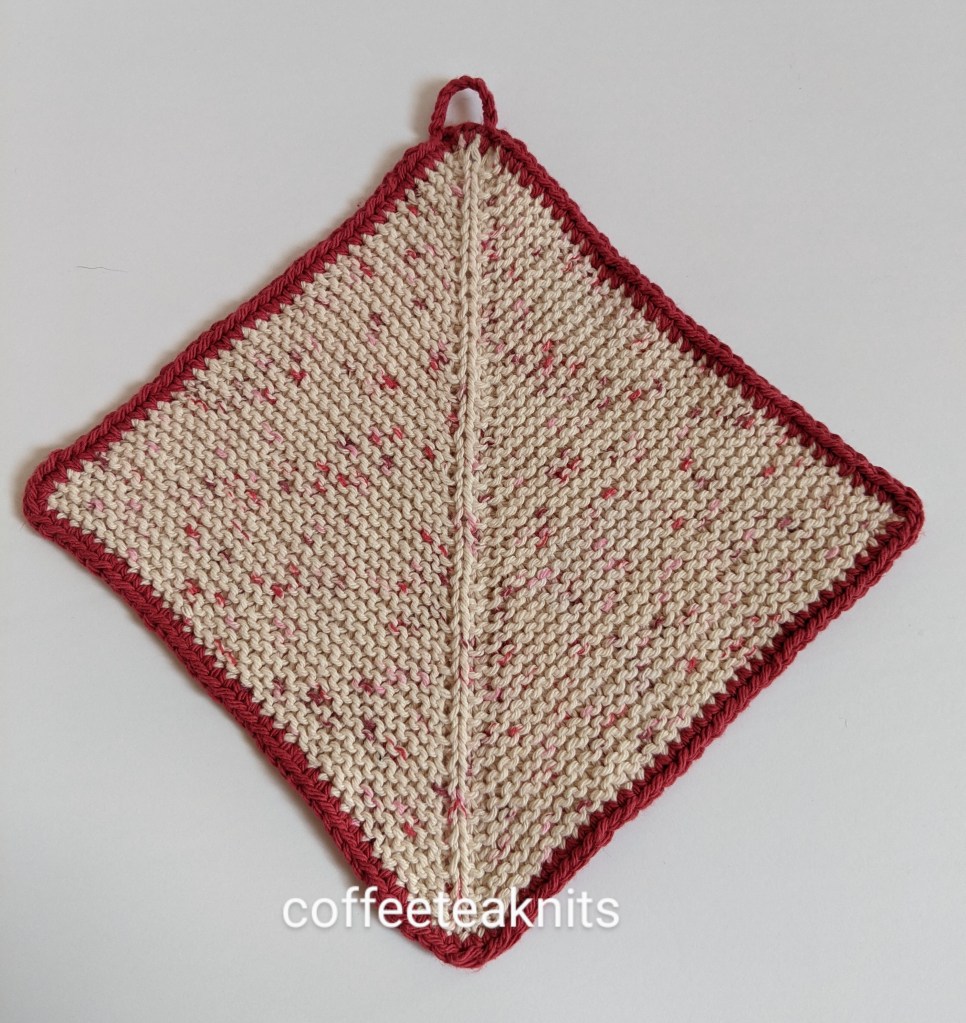
Towards Center Mitered Dishcloth Pattern PDF

Advertisements

Any worsted weight cotton yarn can be used to knit this dishcloth.

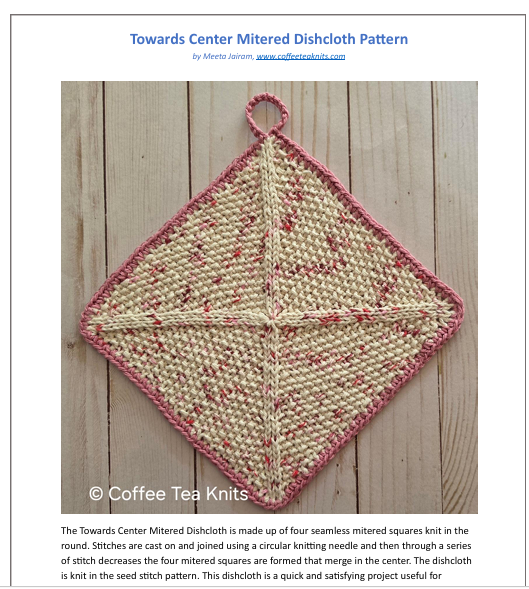
Towards Center Mitered Dishcloth is knit in one piece and in the round.

This dishcloth knits up quickly and is a useful way to explore and learn some knitting techniques.

You need beginning crochet skills and advanced beginners knitting skills to knit this dishcloth.


  • A list of the abbreviations used in the pattern, gauge, and the materials needed
  • Links to several video tutorial clips including how to single crochet, join round, SSK, K2tog etc.
  • Step by step written instructions on how to knit this dishcloth
  • Written instructions on how to crochet the border with photos as visual aid
Advertisements


~coffeeteaknits.com

Tutorial Series: Pick Up Slipped Edge Stitches

Introduction:

The technique of picking up the edge stitches in knitting is useful for adding borders, for seamless garment construction etc. Picking up the number of stitches from the cast on edge or the bind off edge is more straightforward than picking up stitches from the side (vertical) edges. It is easier to insert the knitting needle and pick up the V shaped stitches (< or >) of the cast on and bind off edges. Whether working on scarves, sweaters, or intricate lace designs, understanding how to effectively pick up edge stitches is an essential skill that can elevate one’s knitting projects and experience.

One way to make picking up vertical (side edge) stitches more straightforward is to slip the last stitch in a row with yarn in front (Tutorial Series: WYIF and WYIB)

Advertisements

Comparison of Side Edge Stitches:

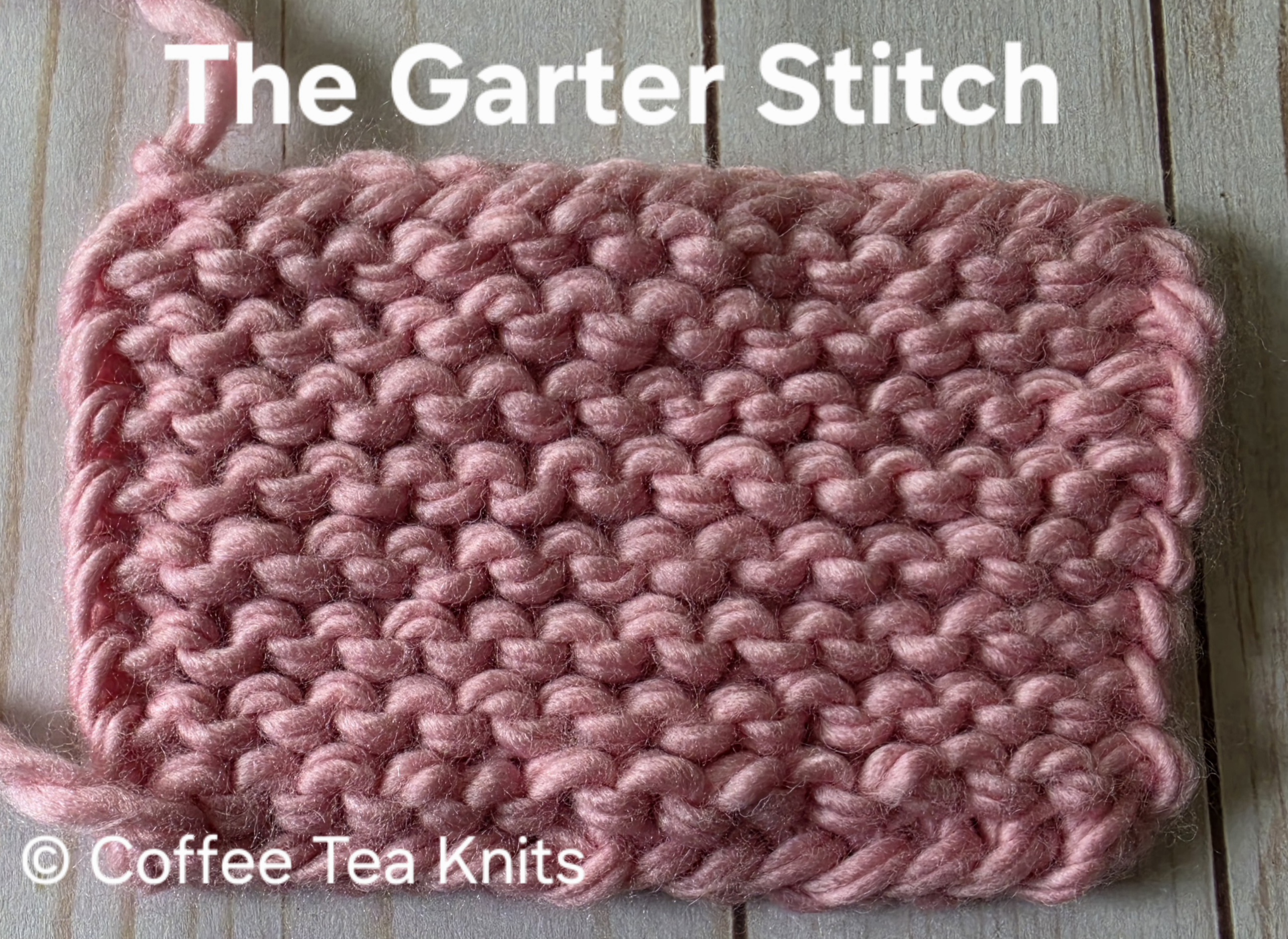
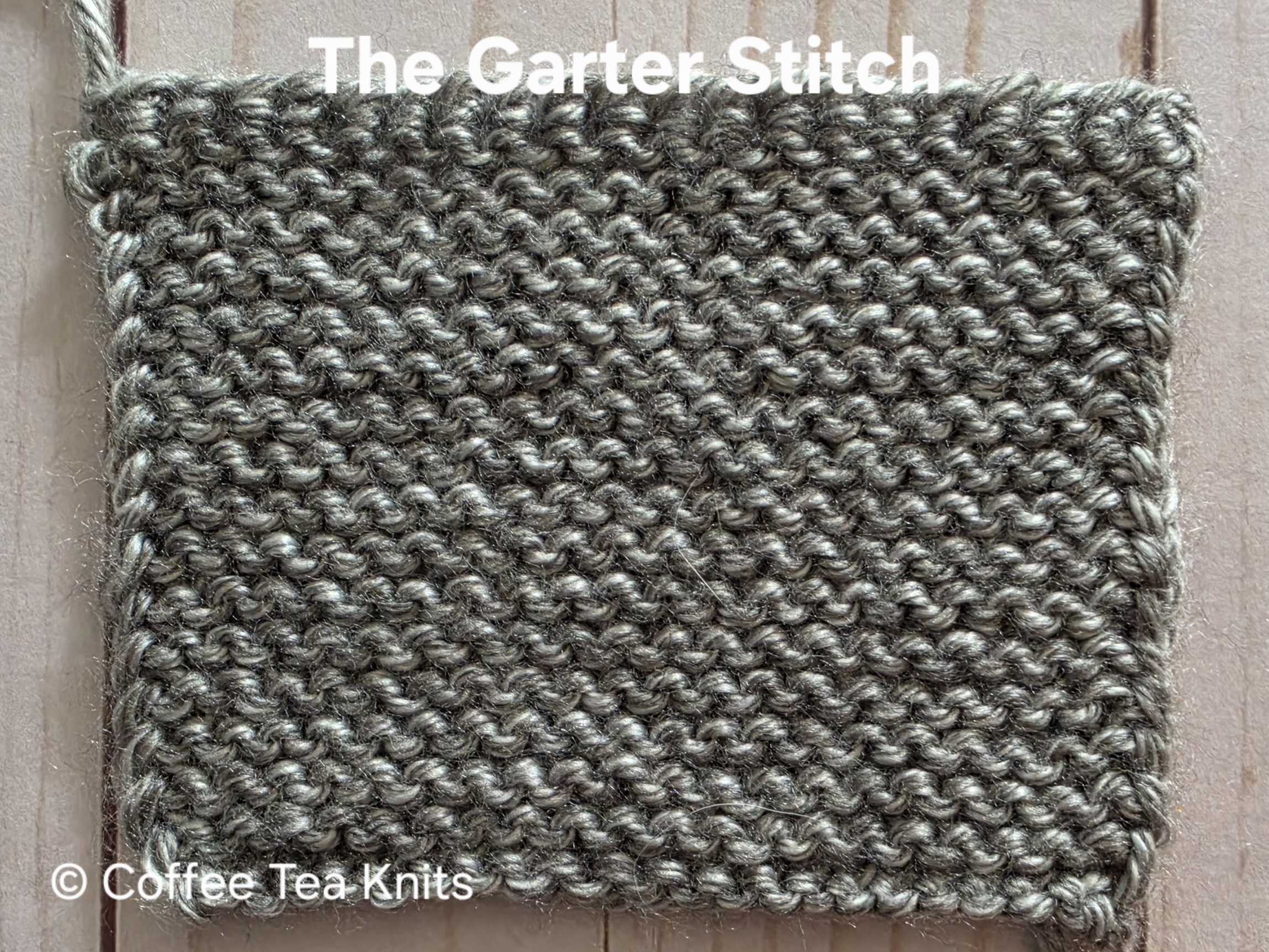
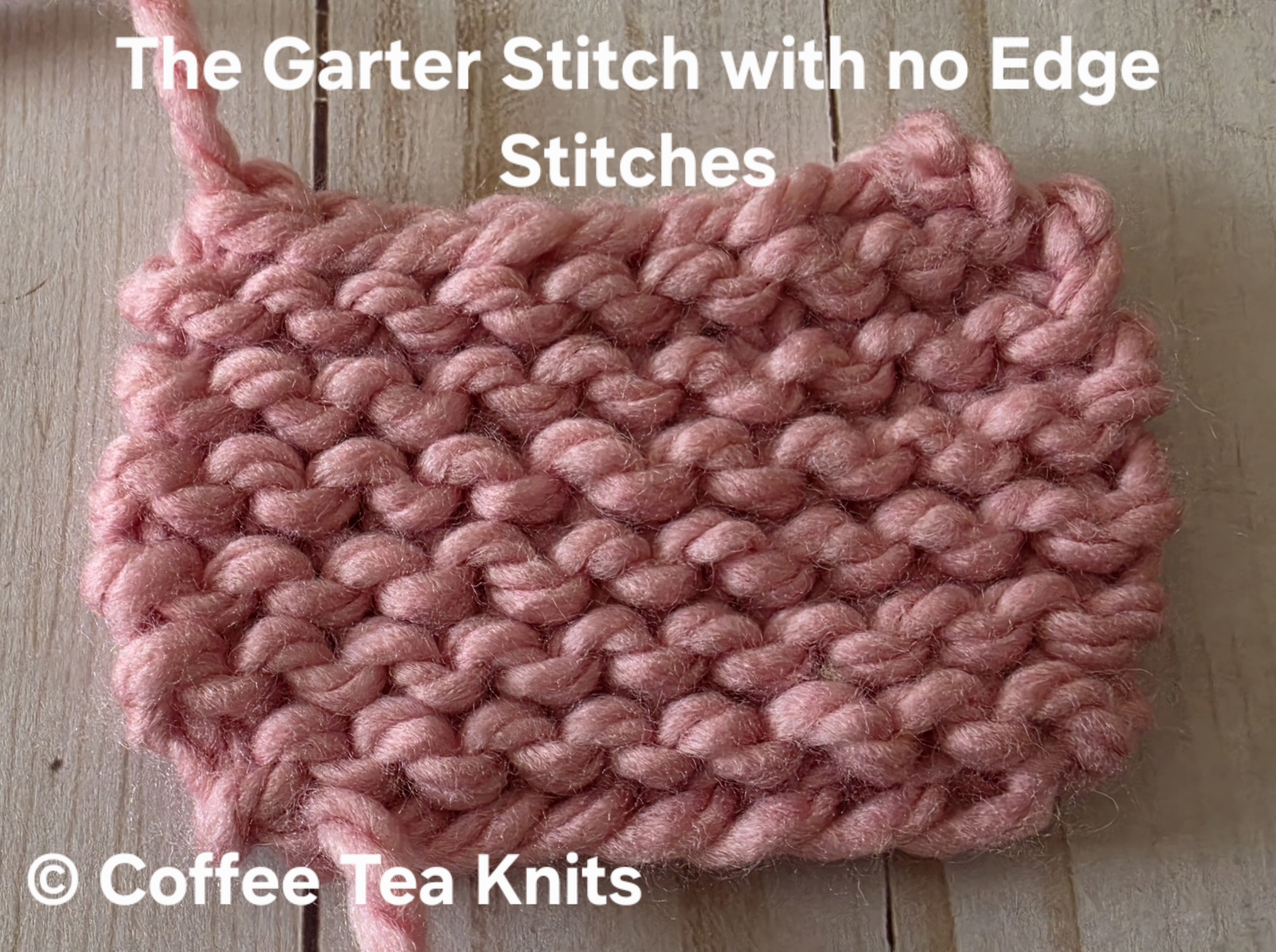
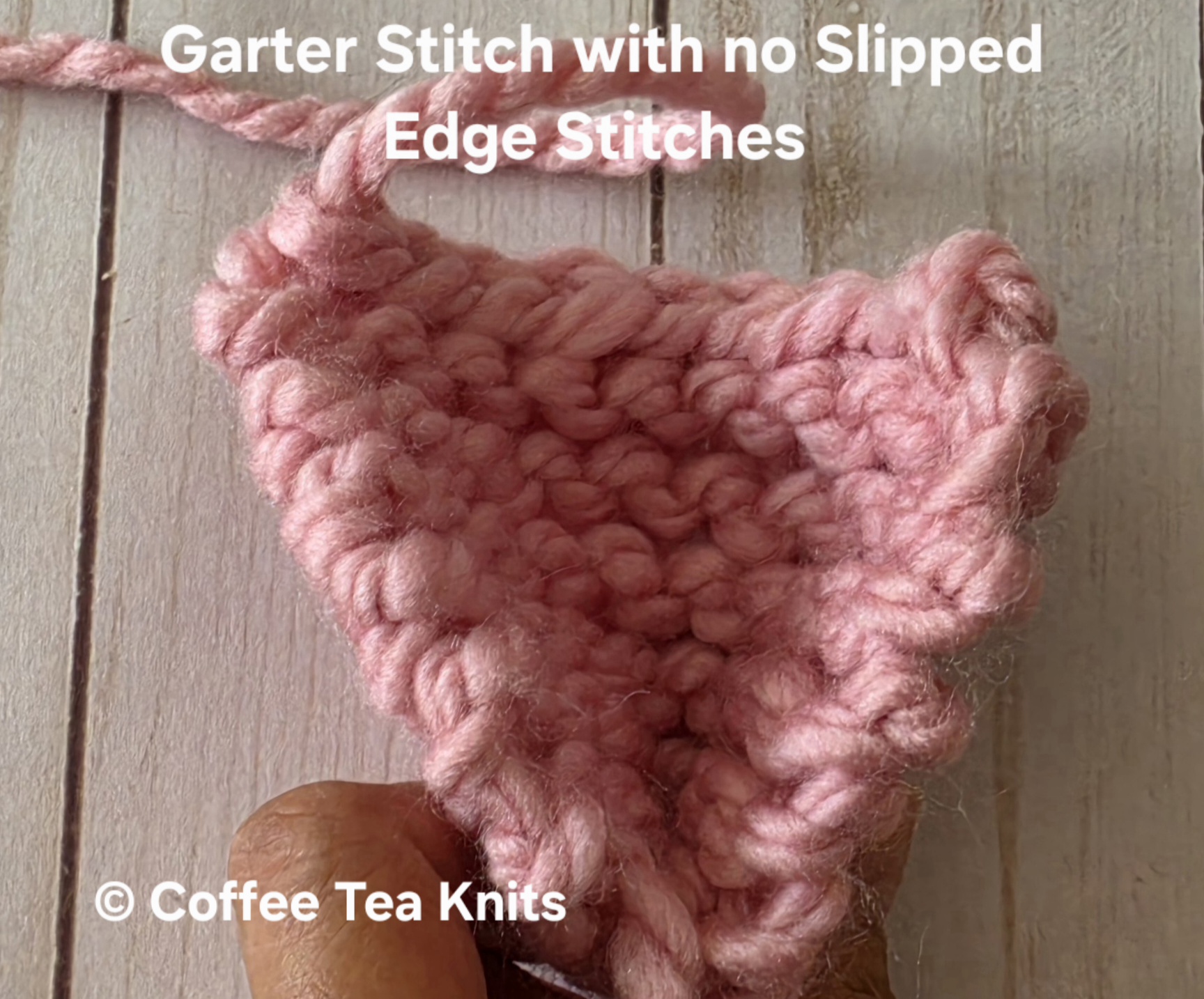
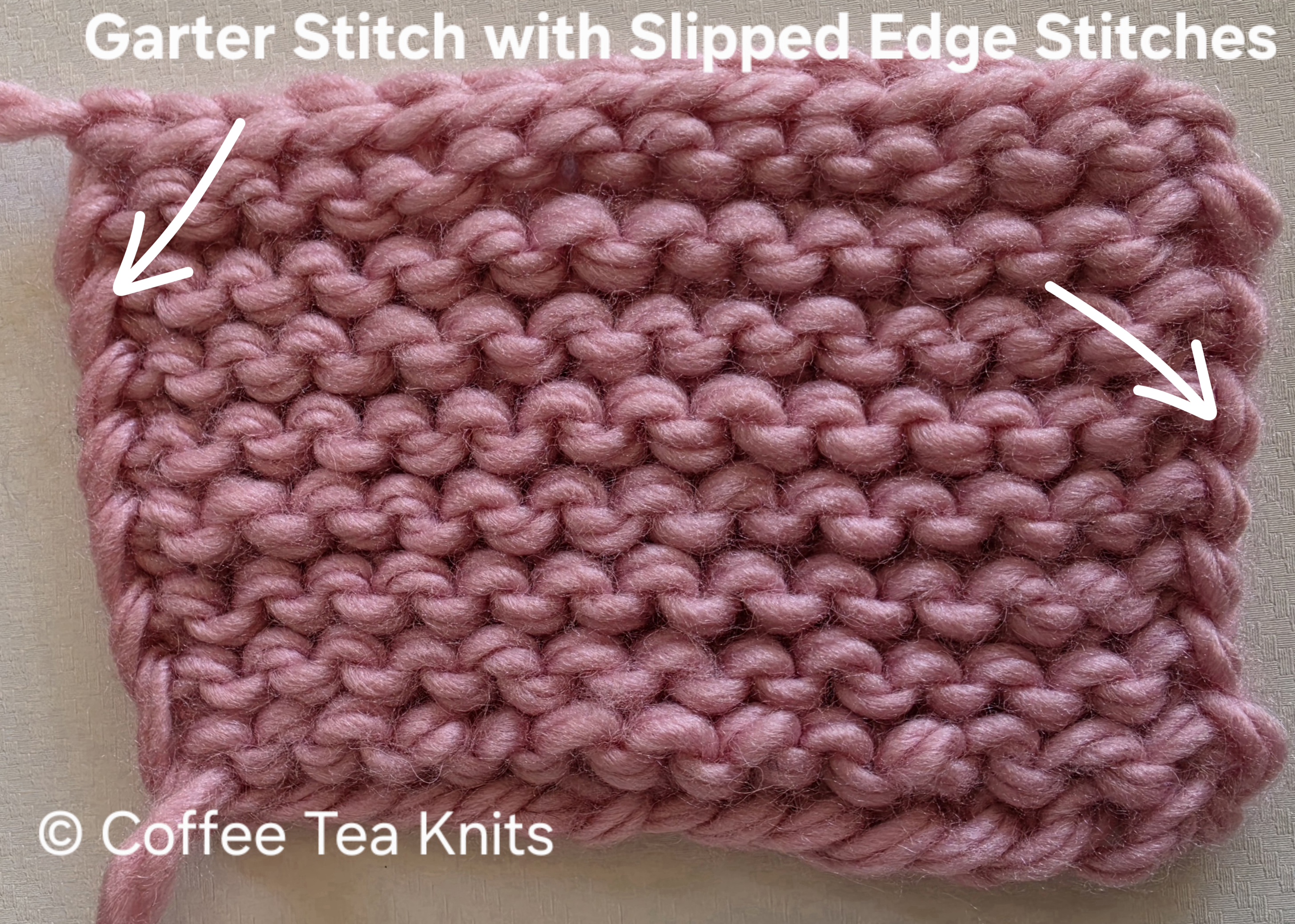
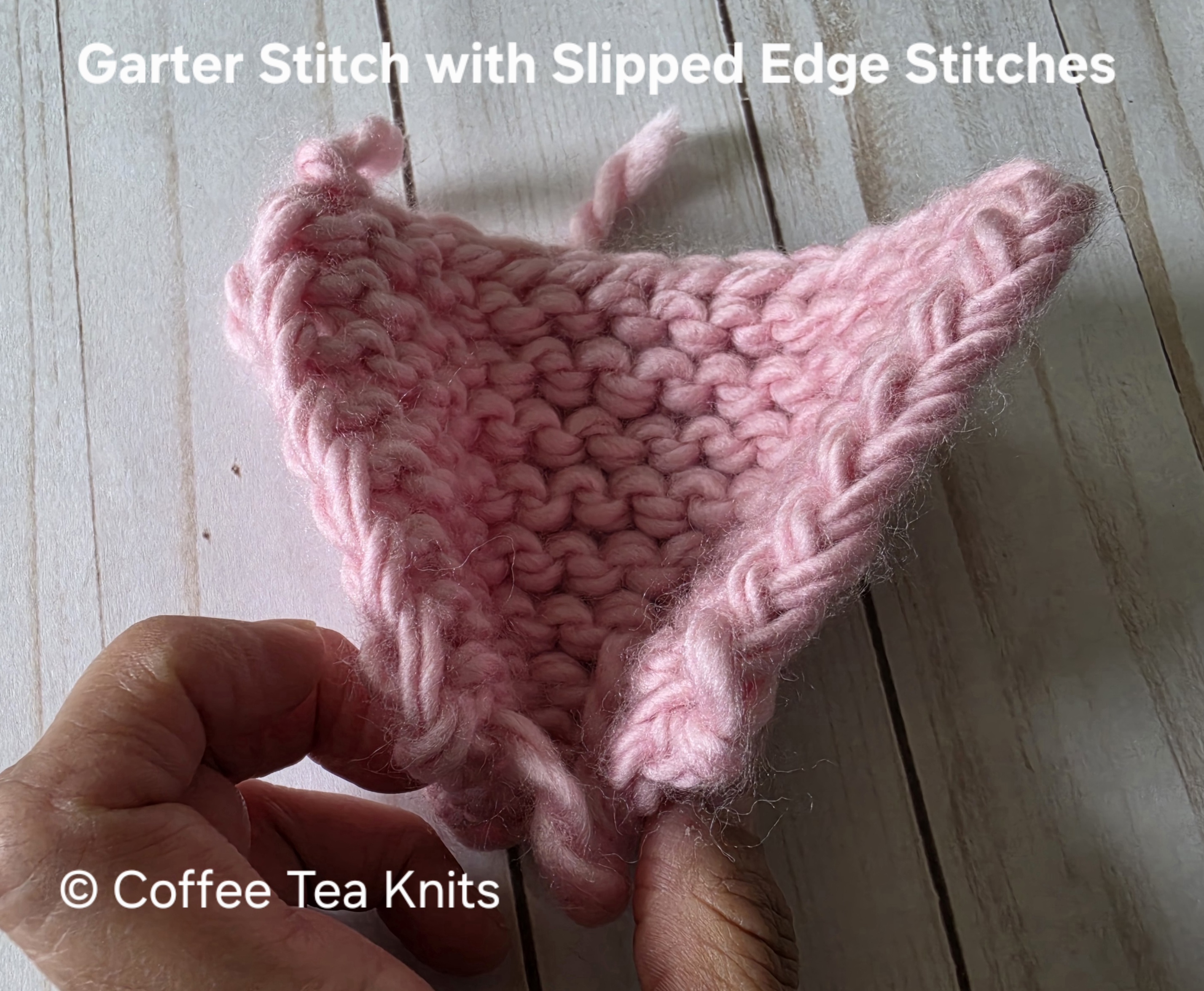
The images below show two garter stitch pattern (knit all rows) swatches. One swatch was knit with no slipped side edge stitches while the other swatch was knit with slipped side edge stitches.

Advertisements

Advertisements


As in the images above, the V shape created by the slipped side edge stitches not only enhances the visual appeal of the knitting project but also makes it significantly easier to know exactly where to insert the knitting needle. In contrast, when there are no slipped edge stitches, determining the appropriate insertion point for the needle becomes a bit of guesswork, leading to potential frustration. Having these stitches as a reference point can greatly improve the overall experience, allowing for a smoother and more enjoyable knitting process.

Most of my knitted dishcloth patterns have slipped side edge stitches that are later picked up for a crochet or knit border. The Knotted Dishcloth, The Upside Down Dishcloth, The Center Out Mitered Dishcloth, The Summertime Dishcloth etc. patterns have the last stitches in all the rows slipped with yarn in front.


Advertisements

How to Pick up Slipped Edge Stitches:

The video and written instructions below on how to pick up slipped side edge stitches are for right handed knitting.

Advertisements


Written Instructions on how to Pick Up Slipped Side Edge Stitches:

  • Insert the knitting needle under the slipped side edge V stitch (either < shaped or > shaped depending on the direction of the knitting)
  • Yarn over with the working yarn (wrap the working yarn counter clockwise around the top of the knitting needle). This yarn over creates a loop
  • Catch and pull the yarn loop under the V shaped slipped edge stitch with the knitting needle (one stitch picked up)
  • Repeat the above steps to pick up the slipped edge stitches
Advertisements

~coffeeteaknits.com

Weaving Tales: It’s All About Weaving

Weaving dates back to Paleolithic times. It’s much older than knitting or crochet.

As a knitter and a crocheter, my interest in weaving started more as a way to reduce the amount of yarn I had, but has slowly grown into a genuine interest in the craft.

Weaving projects such as wraps or blankets can be completed in days rather than weeks or months, making it an appealing option for completing fiber related projects in a shorter time frame.

Like knitting or crocheting, I find the rhythmic motion of the loom not only satisfying but also a fascinating way to explore the colors and textures of yarn.

The ability to experiment with different weaving patterns and techniques has opened up a whole new world of possibilities for me and I find myself increasingly captivated by the endless potential weaving holds for creating beautiful, functional pieces.

Come join me on my weaving journey.

Advertisements

A recap of weaving content on this site:

Yarn and a loom
The Warp and Weft Floats in Weaving

Advertisements

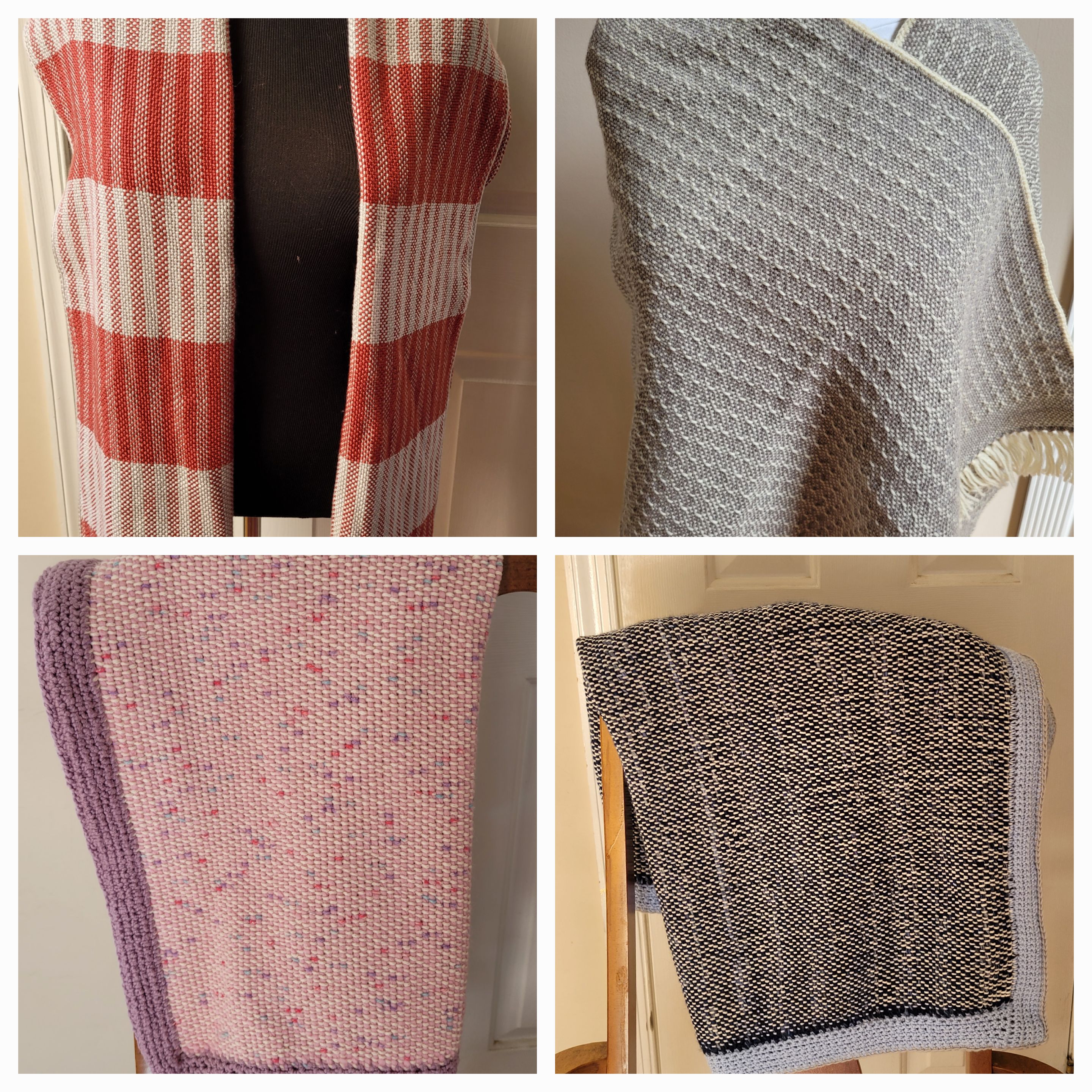
My weaving items over the years:

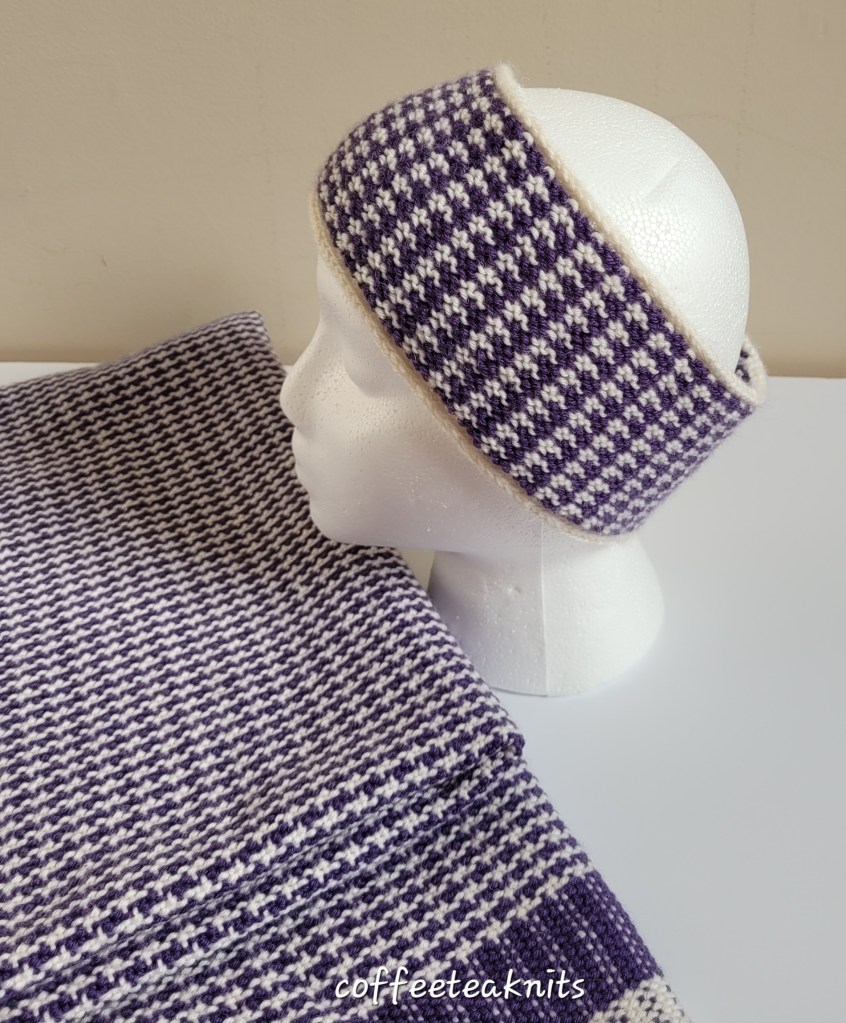
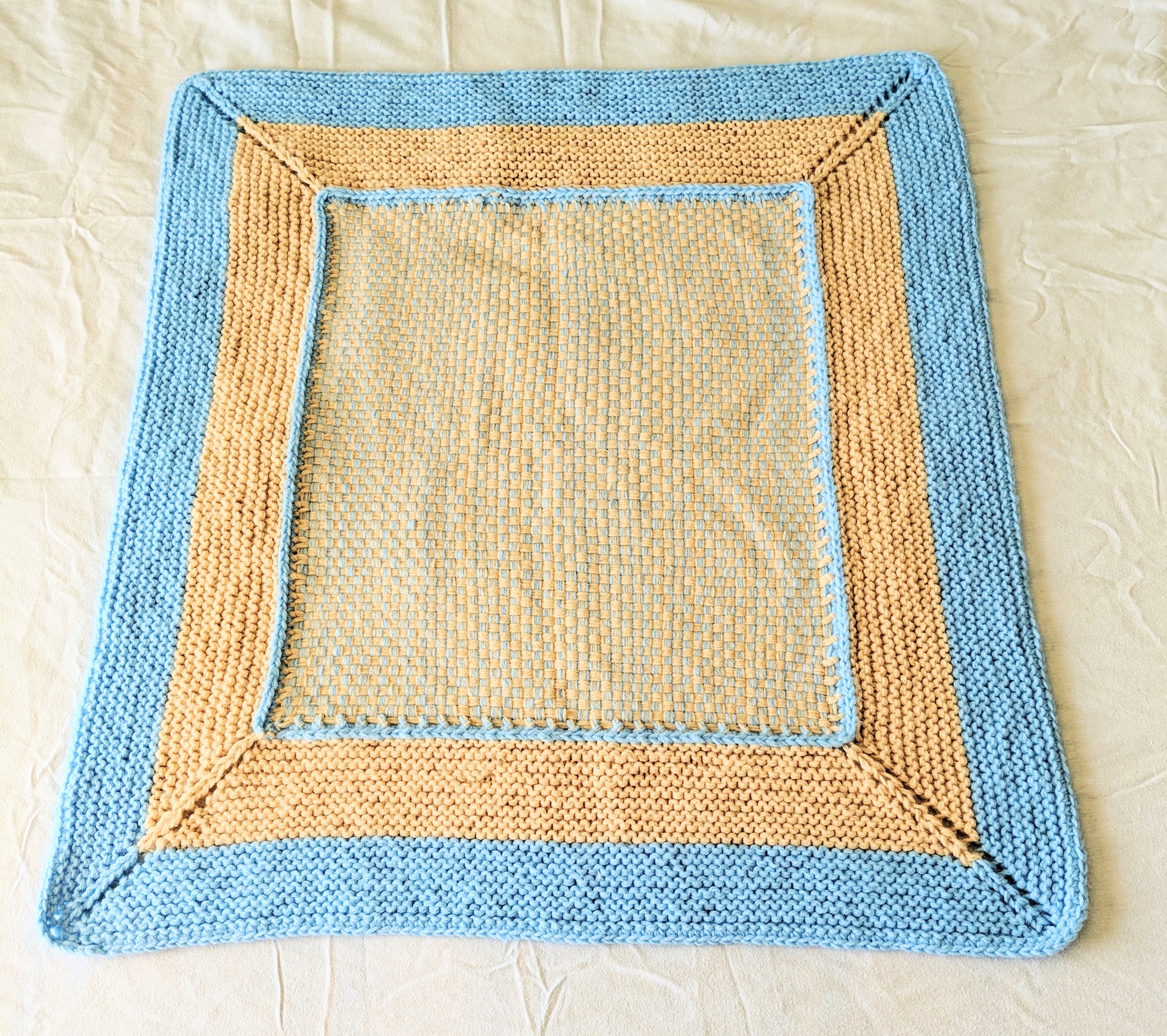
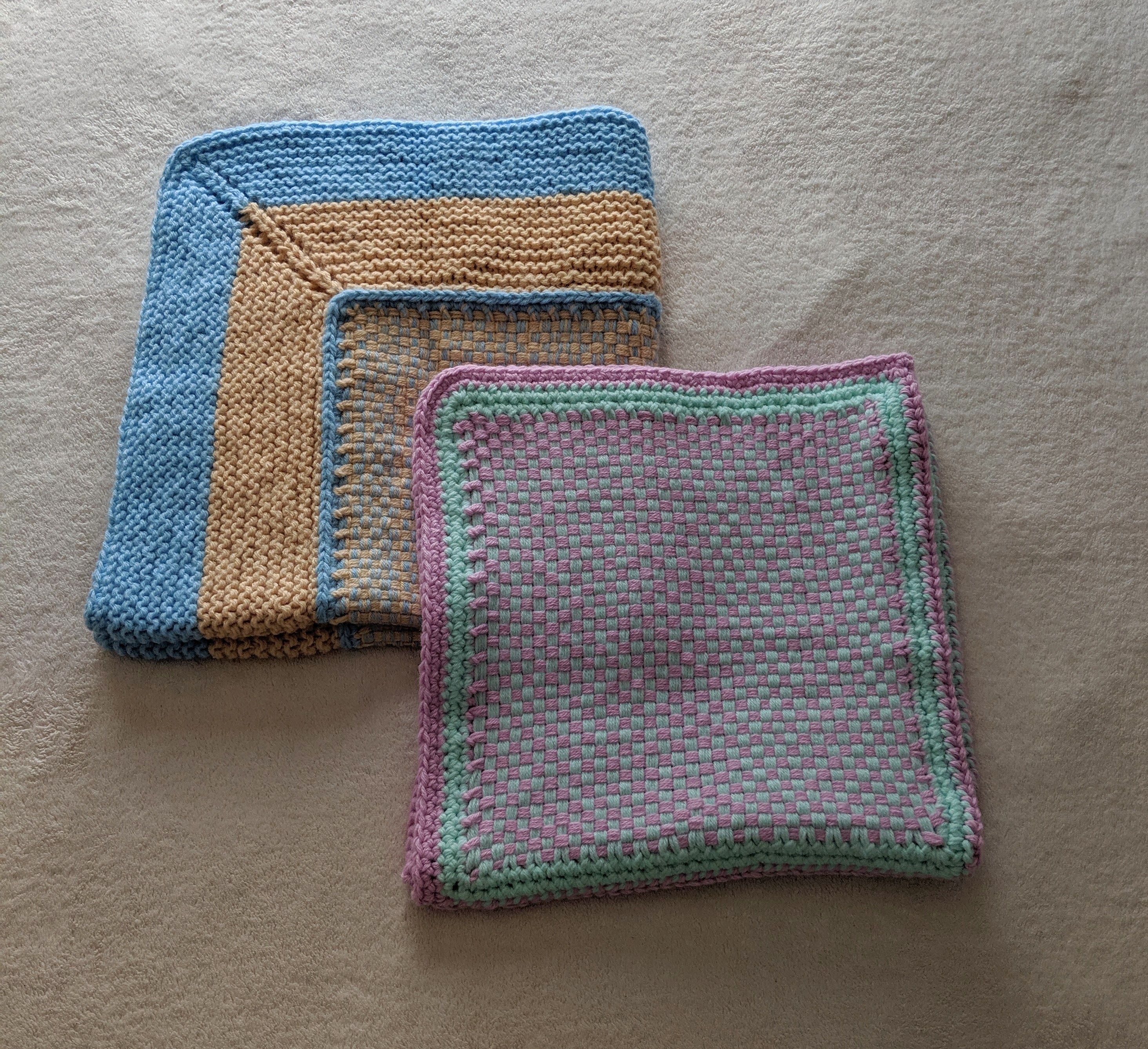
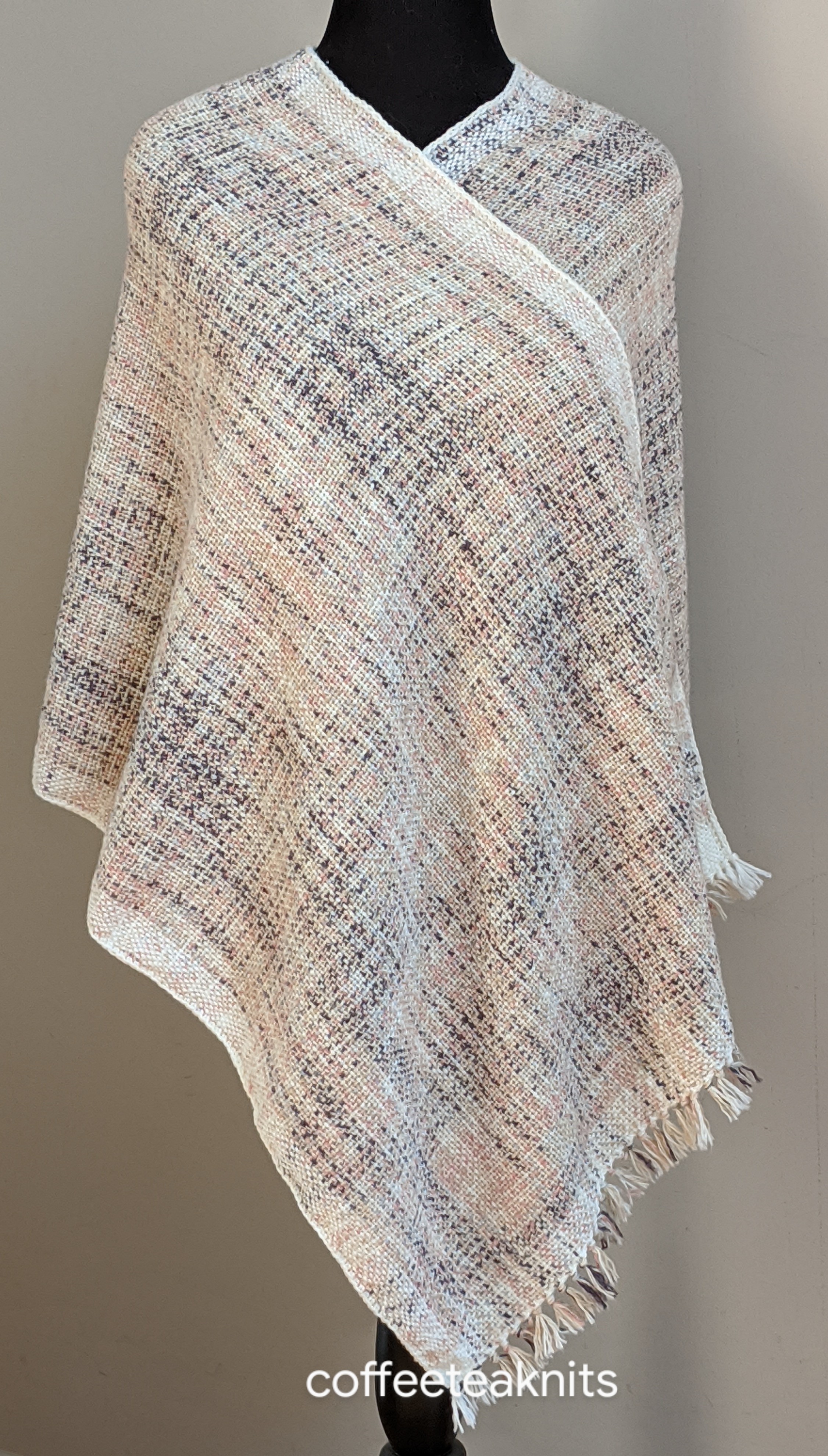
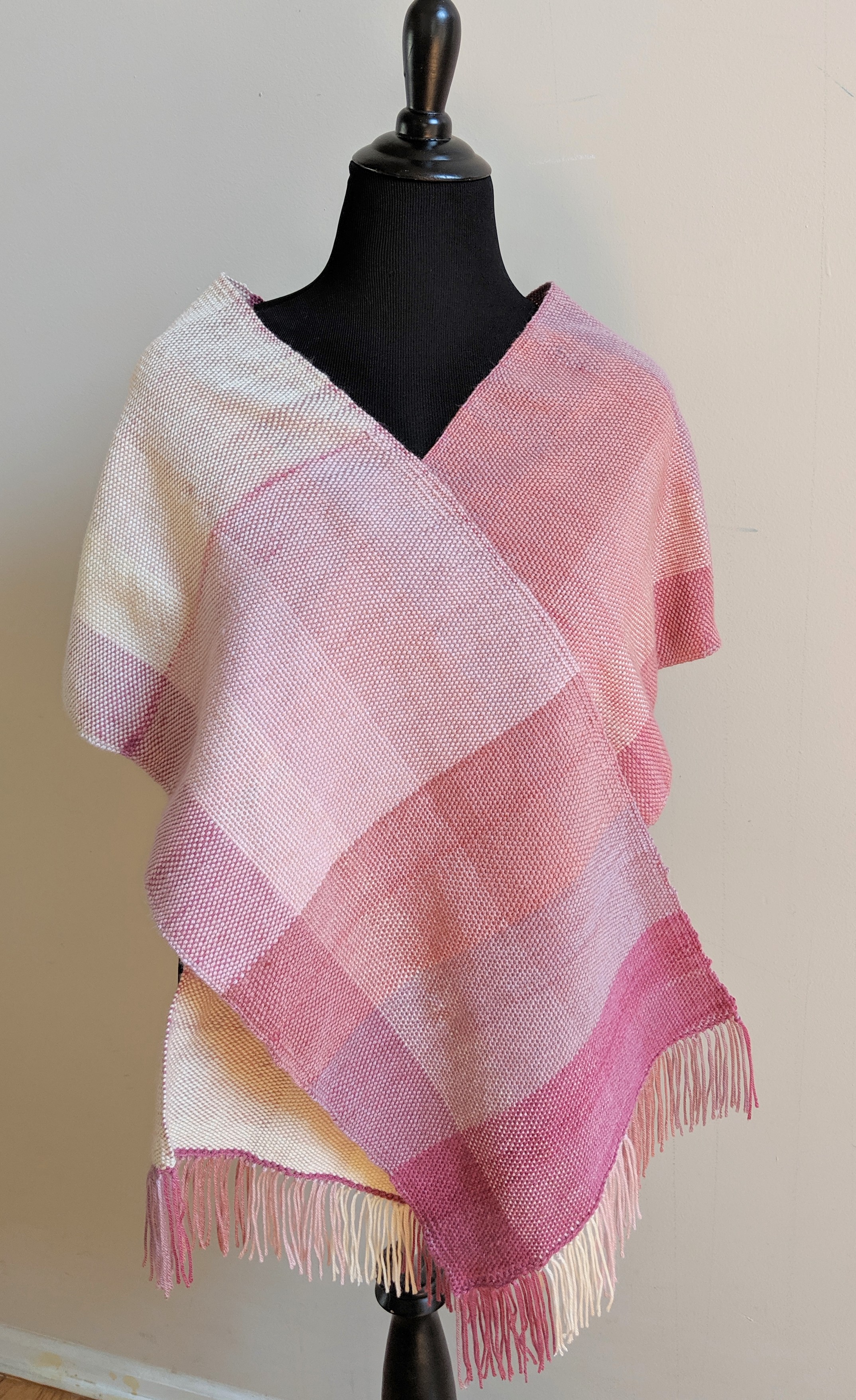
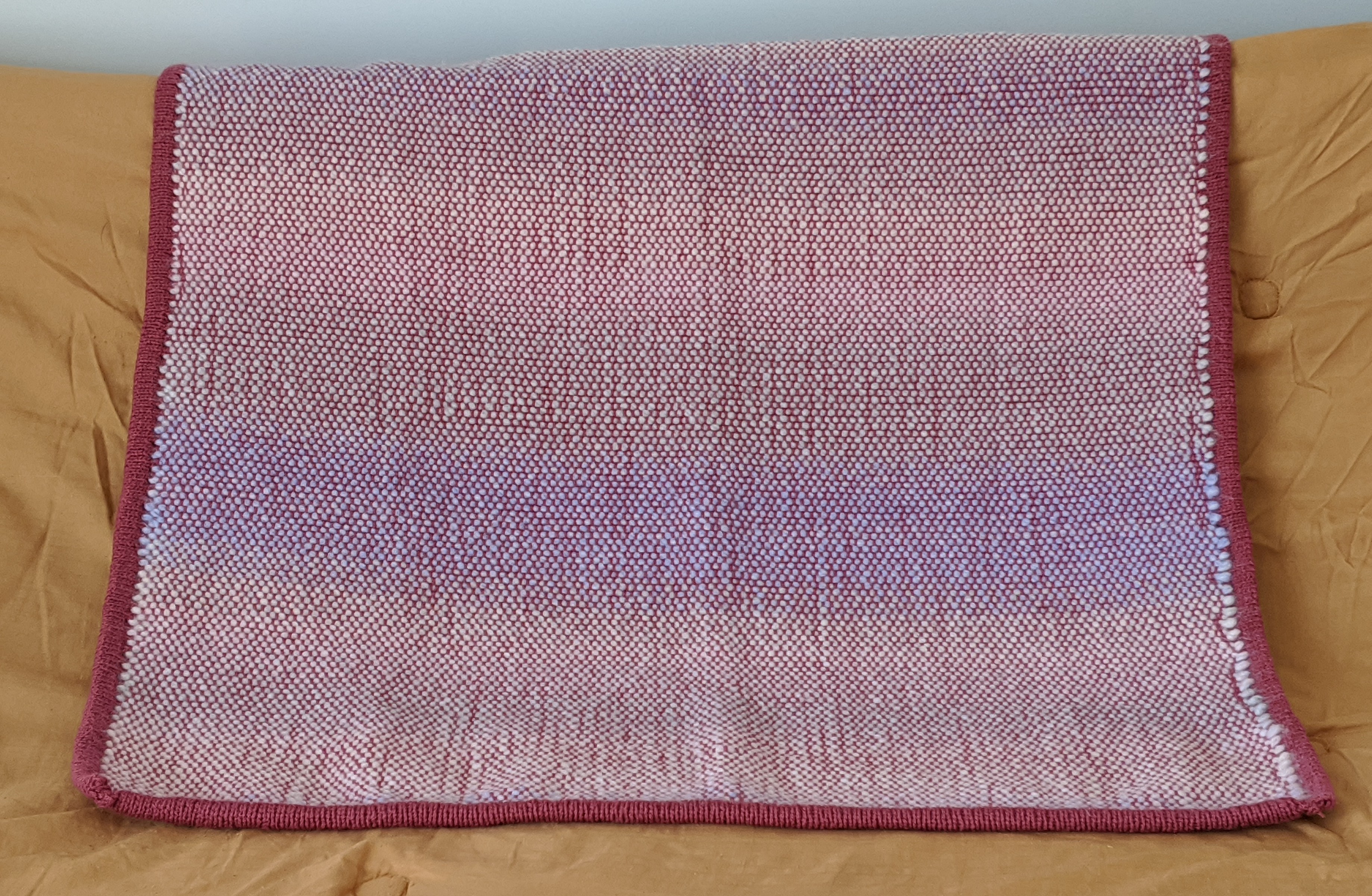
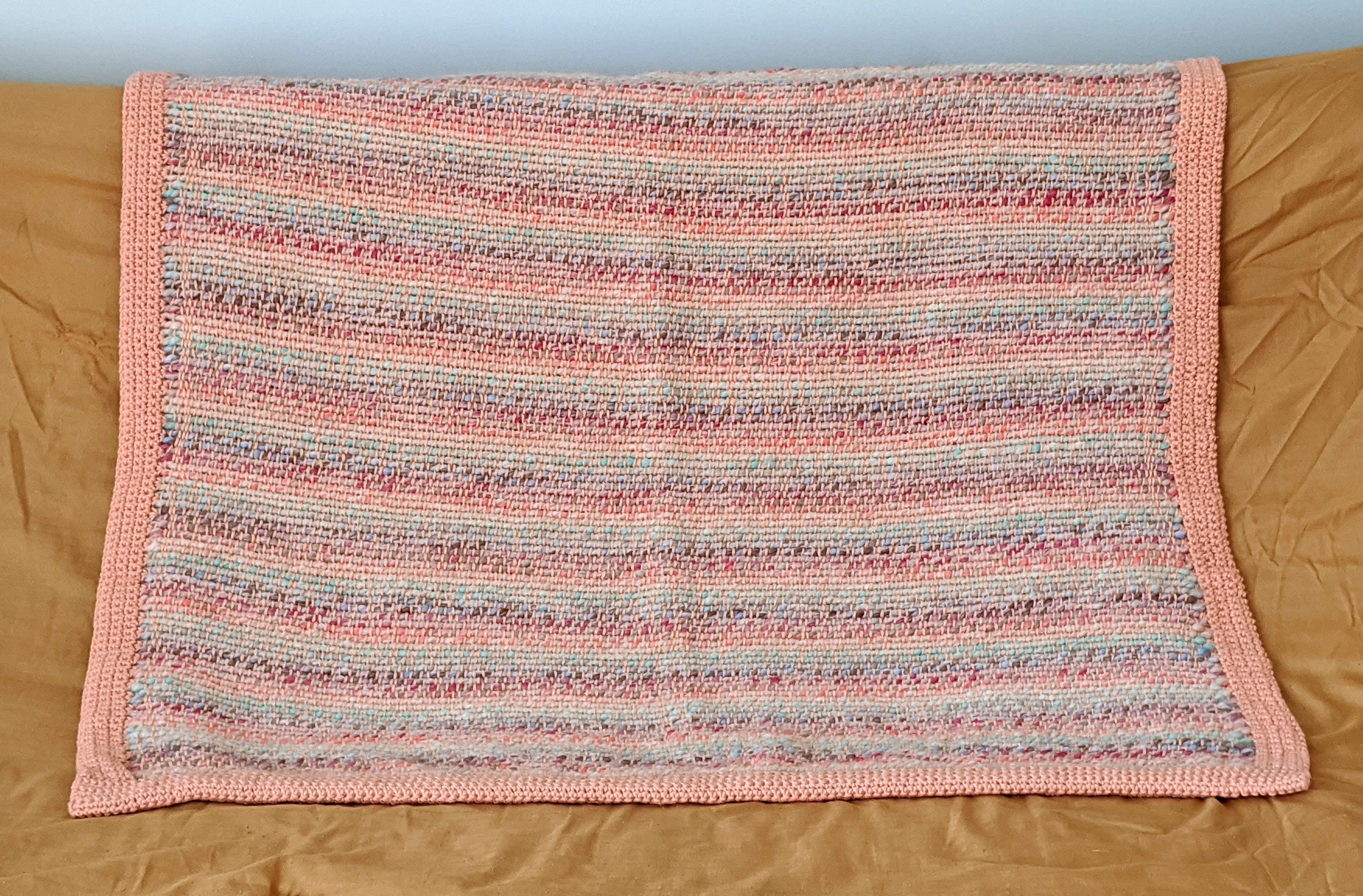
From a DIY potholder loom to weave blankets –


Advertisements


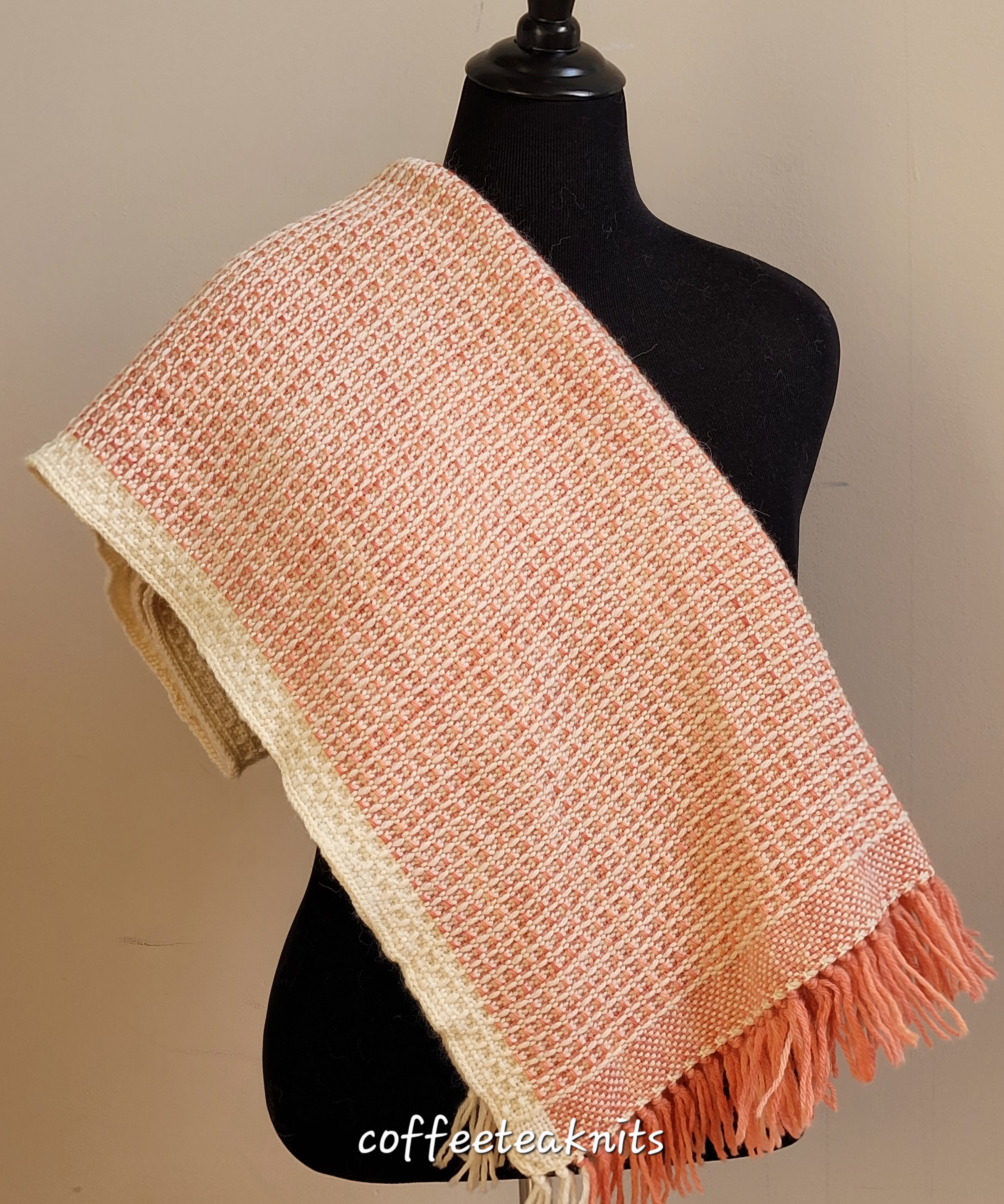
To a rigid heddle loom to weave blankets, towels and wraps –


Advertisements

~coffeeteaknits.com