The February 2025 Earwarmer Pattern


Hello folks, it’s been a while since my last pattern post. A bad case of the flu at the end of January, the passing of my adorable pet dog in mid-February, and other personal issues needed my time. I started working on the February 2025 Earwarmer crochet pattern a few days before my beloved dog passed away. I am grateful that my knitting and crocheting hobby gave me much-needed comfort. It supported me during this difficult period of grief and reflection. I am also thankful to all the readers and subscribers of this blog. I appreciate the knitting and crocheting community for their support and understanding.

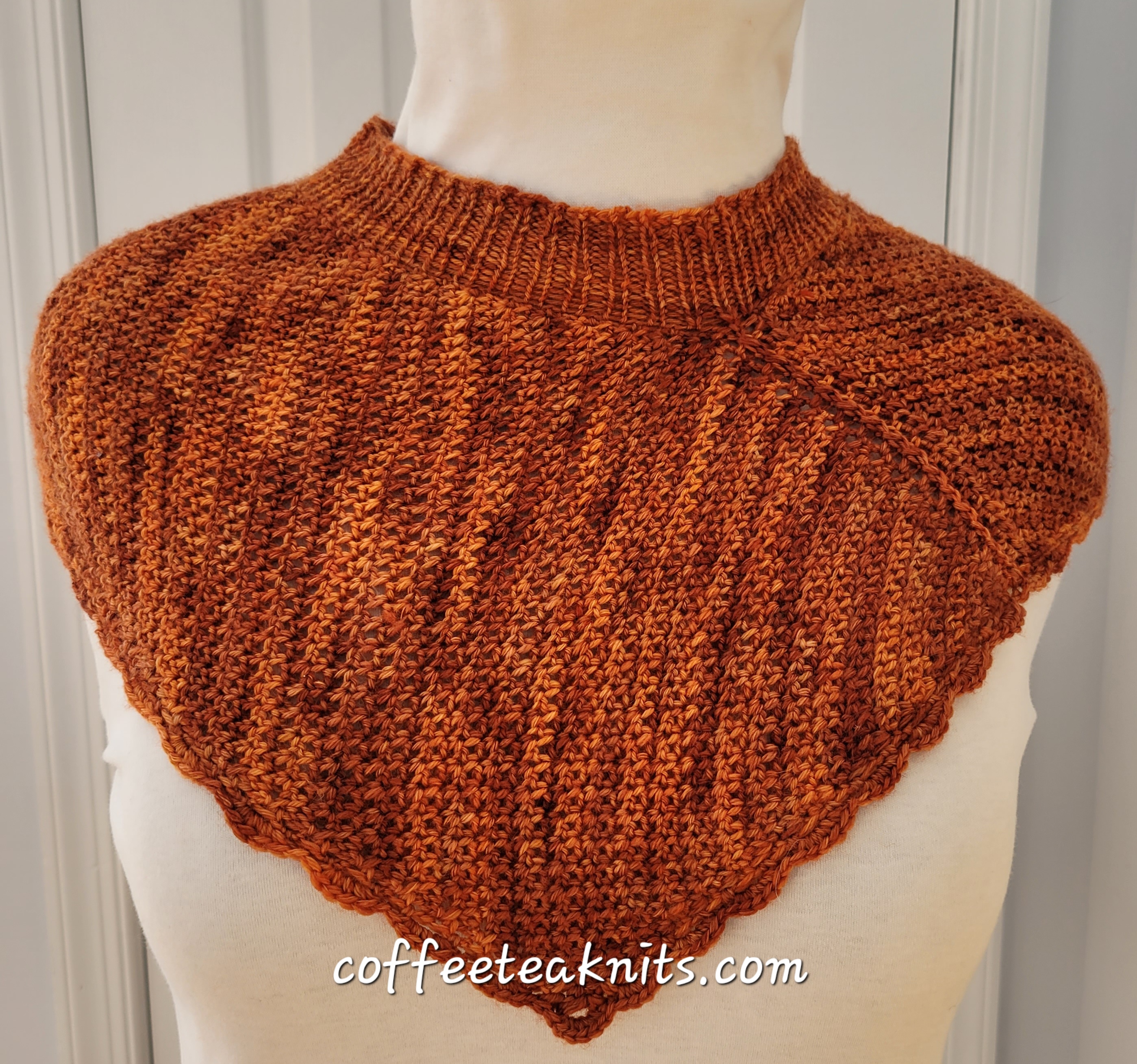
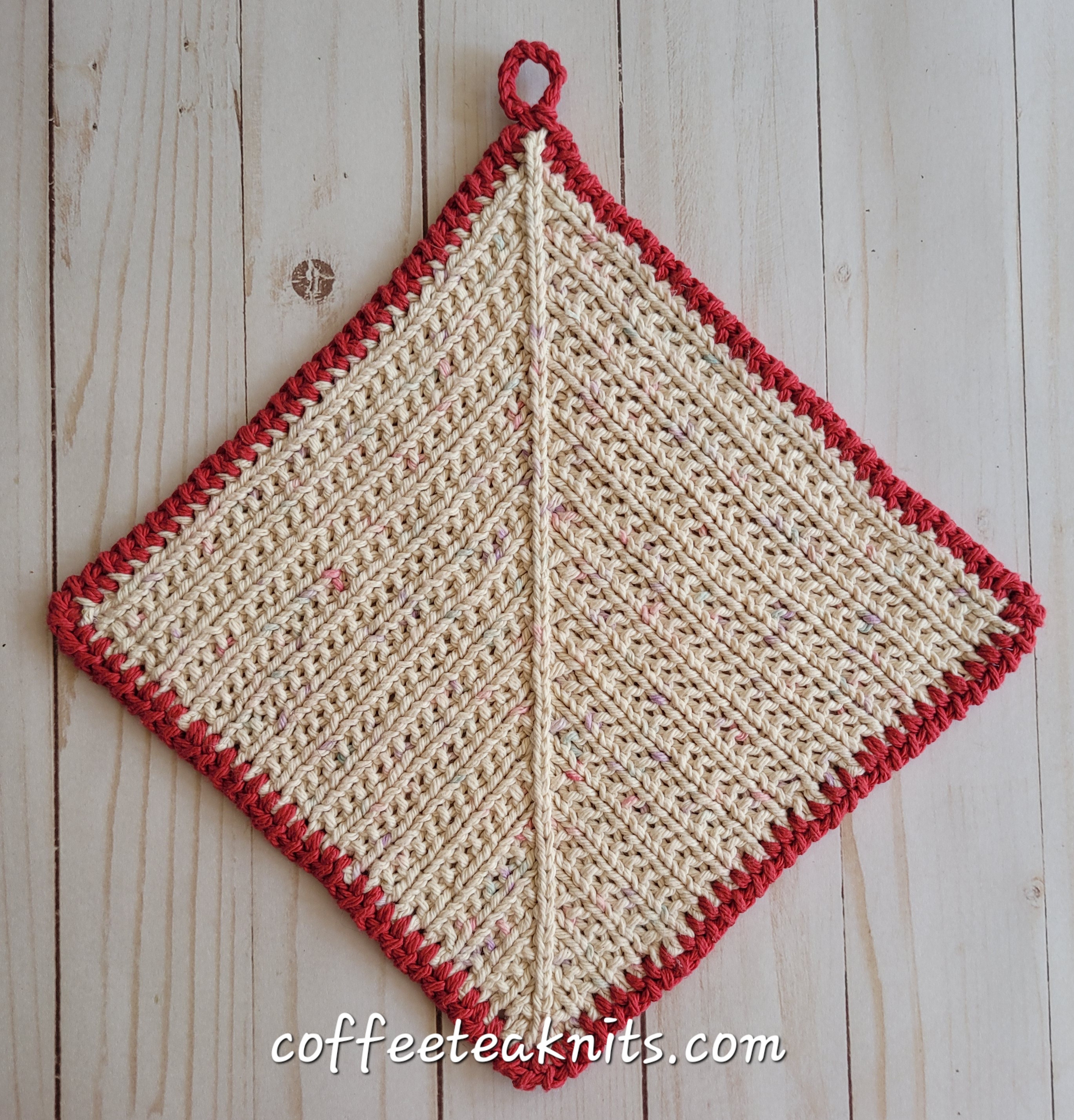
The February 2025 Earwarmer is crocheted flat and then the two ends are joined together with slip stitch crochet. The construction of this Earwarmer pattern is comparable to the “Goes with Everything Earwarmer” knitted version. It starts with a chain of eight stitches and ribbing. Then, it goes through a series of increases and length extension. It ends with a series of decreases and ribbing. The two ends are then joined together with a slip stitch crochet. A variation of the crochet moss stitch pattern is used for both earwarmers. February 2025 Earwarmer 1 is made with a cotton blend yarn and measures about 4.5 inches x 20 inches. February 2025 Earwarmer 2 is made with a merino wool blend yarn and measures about 4 inches x 19 inches.

The February 2025 Earwarmer Pattern

Materials Needed:
Yarn: Earwarmer 1 – Caron Blossom Cakes® yarn in Colorway: Bark
Yarn: Earwarmer 2 – Loops and Threads® Luxe Merino™ Wool Blend Colorway: Raindrops
Gauge: 5.5 stitches per inch for Earwarmer 1 and 5.0 stitches per inch for Earwarmer 2 in the variation crochet moss stitch pattern
Crochet hook: US size H-8 (5.00 mm) for February 2025 Earwarmer 1 and US size 7 (4.5 mm) for the February 2025 Earwarmer 2
Tapestry needle to weave in ends

Abbreviations:
sc: single crochet (Tutorial Series: How to Single Crochet)
scbl: single crochet in the back loop (insert crochet hook in the back strand of the stitch only)
[…]: pattern repeat
Skill Level: Beginner friendly pattern with single crochet, single crochet in the back loop, and crochet slip stitch)

The February 2025 Earwarmer Pattern (text and images for personal use only)

The February 2025 Earwarmer pattern is made up of the following sections:

      • Foundation Chain 
      • Ribbing
      • Increase
      • Length Extension
      • Decrease
      • Ribbing
      • Joining of the foundation row and the last (bind off) rows

Foundation Chain:

For February 2025 Earwarmer 1: Chain 8 stitches using crochet hook size H-8 (5.00 mm)
For February 2025 Earwarmer 2: Chain 8 stitches using crochet hook size 7 (4.50 mm)


Foundation Chain Set up and Ribbing Section:

  • Row 1 (RS): Skip the first stitch, [single crochet the purl bump in the back the next stitch], repeat […] till the last stitch, sc the purl bump in the back of the last stitch (on the slip knot side), chain 1 and turn

  • Row 2 (WS): Skip the first stitch, sc under both strands of the next stitch, [scbl (single crochet in the back loop) in the next stitch], repeat […] till the last stitch, sc under both strands of the the last stitch, chain 1 and turn 
  • Row 3 (RS): Repeat Row 2
  • Row 4 (WS): Repeat Row 2
  • Row 5: Repeat Row 2
  • Row 6: Repeat Row 2
  • Row 7: Repeat Row 2
  • Row 8: Repeat Row 2

Increase Section:

  • Row 9 (RS): Skip the first stitch and sc in the next stitch, chain 1 and sc again in the same stitch, chain 1, [skip a stitch, sc in the next next stitch, chain1], repeat […] till 2 stitches left, sc in the last stitch, chain 1, sc again in the same stitch, chain 1 and turn
  • Row 10 (WS): [Skip the first stitch, sc in the next stitch, chain 1], repeat […] till the last stitch, sc in the last stitch, chain 1 and turn – 12 stitches
  • Row 11 (RS): Repeat Row 9
  • Row 12 (WS): Repeat Row 10 – 16 stitches
  • Row 13 (RS): Repeat Row 9
  • Row 14 (WS): Repeat Row 10 – 20 stitches
  • Row 15 (RS): Repeat Row 9
  • Row 16 (WS): Repeat Row 10 – 24 stitches 

Customization Option: Repeat Rows 9 and 10 to increase the number of stitches to preferred size


Length Extension Section:

  • Row 17 (RS): [Skip the first stitch and sc in the next stitch, chain 1], repeat […] till 2 stitches left, sc in the last stitch, chain 1, and turn
  • Row 18 (WS): Repeat Row 17

Repeat Rows 17 and 18 till preferred length reached. The length extension for Earwarmer 1 is about 12 inches and for Earwarmer 2 it’s almost 11.5 inches


Decrease Section:

  • Decrease Section Row 1 (RS): Skip the first stitch, insert crochet hook into the next stitch, yarn over and pull the loop under and through that stitch (there are 2 loops on the crochet hook), skip a stitch and insert hook in the next stitch (4th stitch from the beginning), yarn over and pull the loop under and through that stitch (three loops on the hook now), yarn over and pull loop through the three loops on the hook, chain 1, [skip a stitch, sc in the next stitch, chain 1], repeat […] till 4 stitches left, insert crochet hook into the next stitch, yarn over and pull the loop under and through that stitch (there are 2 loops on the crochet hook), skip a stitch and insert hook in the last stitch, yarn over and pull the loop under and through that stitch (three loops on the hook), yarn over and pull loop through the three loops on the hook, chain 1 and turn
  • Decrease Section Row 2 (WS): [Skip the first stitch and sc in the next stitch, chain 1], repeat […] till 2 stitches left, sc in the last stitch, chain 1, and turn – 20 stitches left
  • Decrease Section Row 3 (RS): Repeat Decrease Section Row 1
  • Decrease Section Row 4 (WS): Repeat Decrease Section Row 2 – 16 stitches left
  • Decrease Section Row 5 (RS): Repeat Decrease Section Row 1
  • Decrease Section Row 6 (WS): Repeat Decrease Section Row 2 – 12 stitches left
  • Decrease Section Row 7 (RS): Repeat Decrease Section Row 1
  • Decrease Section Row 8 (WS): Repeat Decrease Section Row 2 – 8 stitches left

Customization Option: Repeat Decrease Section Rows 1 and 2 if there are more than 24 stitches 


Ribbing Section:

  • Decrease Section Row 9 (RS): Skip the first stitch, sc under both strands of the next stitch, [scbl (single crochet in the back loop) in the next stitch], repeat […] till the last stitch, sc under both strands of the the last stitch, chain 1 and turn 
  • Decrease Section Row 10 (WS): Repeat Decrease Section Row 1
  • Decrease Section Row 11 (RS): Repeat Decrease Section Row 1
  • Decrease Section Row 12 (WS): Repeat Decrease Section Row 1
  • Decrease Section Row 13 (RS): Repeat Decrease Section Row 1
  • Decrease Section Row 14 (WS): Repeat Decrease Section Row 1
  • Decrease Section Row 15 (RS): Repeat Decrease Section Row 1
  • Decrease Section Row 16 (WS): Repeat Decrease Section Row 1

The finished pieces:


Crochet Slip Stitch Join of the Last (Bind-off) and the Foundation Rows:

The earwarmer pattern is reversible so either sides can be used for joining. As in the image above, insert the crochet hook into the first stitch of the foundation row first, then insert it into the last stitch of the last (bind off) row, yarn over and pull the loop through both stitches for a slip stitch join, repeat to the last stitches of both ends and pull yarn through (see video below)

The joined foundation and last row of the earwarmers:


Weave in the ends, wash and block the February 2025 Earwarmers


Comment below if you also find knitting and crocheting therapeutic?

Keep on knitting and crocheting!


~coffeeteaknits.com

Tutorial Series: Slip Slip Knit (SSK)

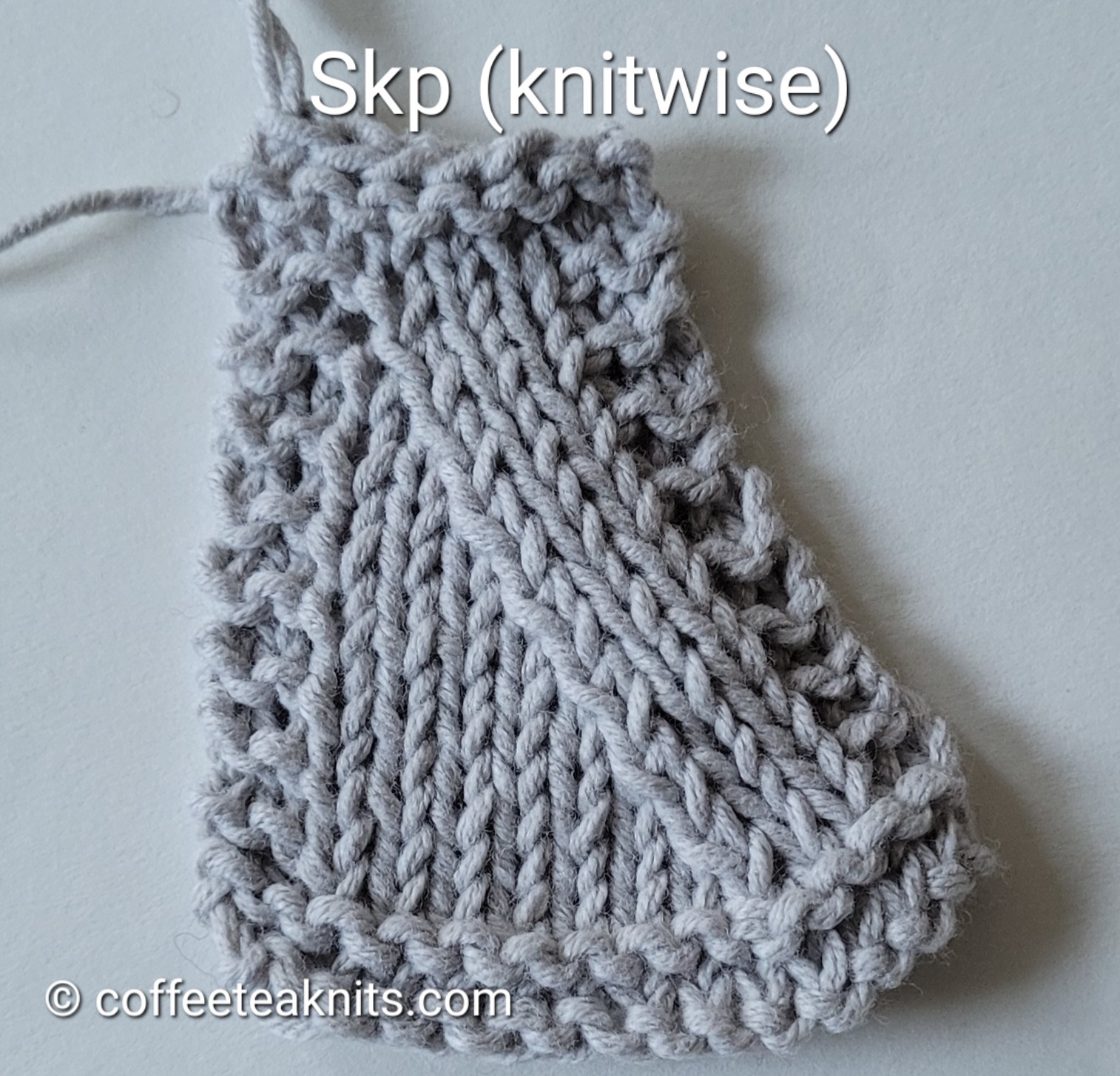
Another way to decrease a stitch in knitting is to do a “Slip Slip Knit (SSK)”. In SSK, a stitch is decreased when two stitches are slipped and then knit together through the back loop. Decreasing stitches like increasing stitches are techniques in knitting used to give shape to knitted items. Unlike K2tog (Tutorial Series: K2tog and P2tog) technique which forms a right-leaning decrease, SSK technique forms a left-leaning decrease. The written instructions and video below show how to decrease one stitch for right handed knitting.

Slip Slip Knit (SSK):


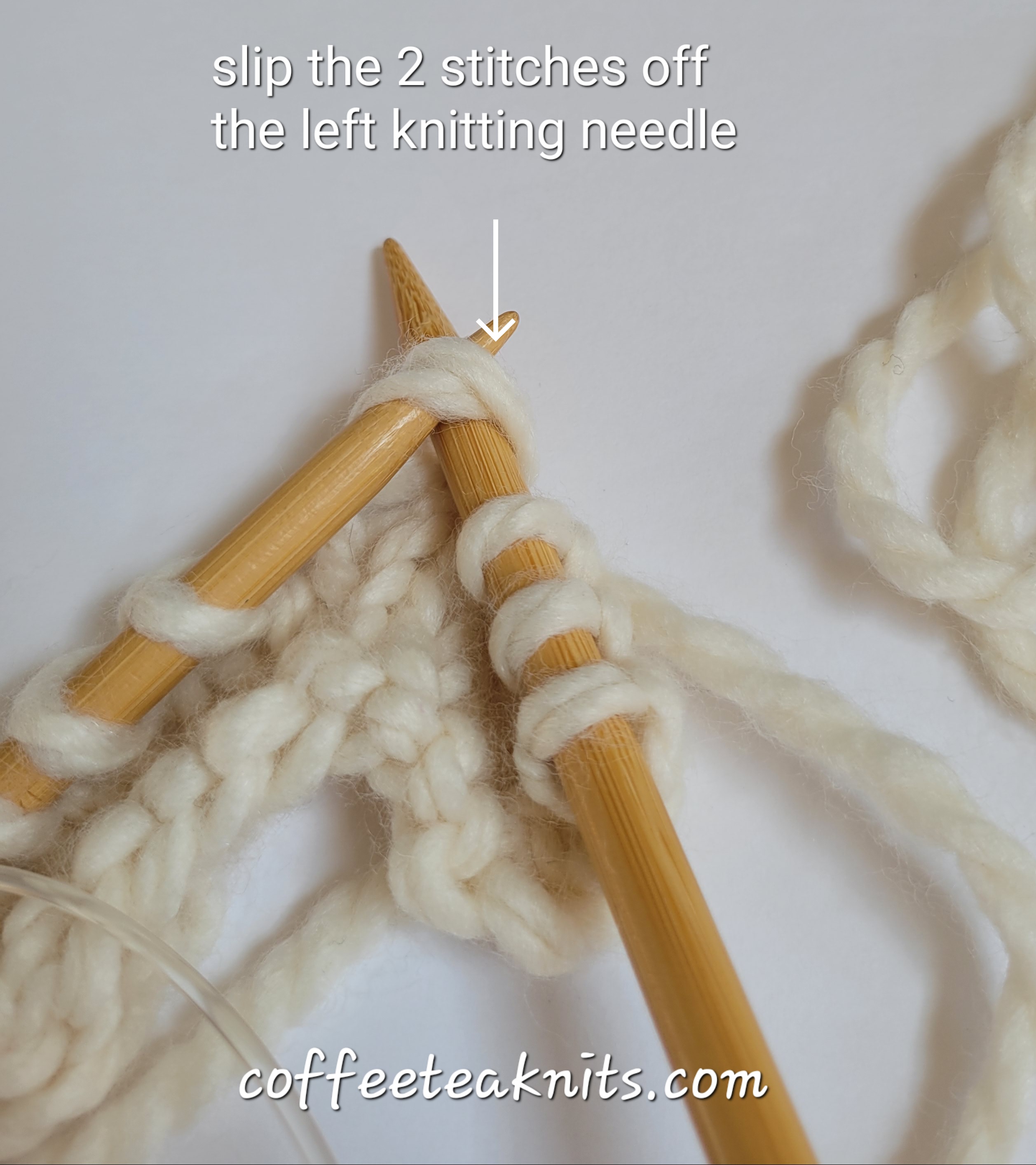
The Steps for Slip Slip Knit (SSK):

  1. Slip the first two stitches knitwise (one at a time) on the left knitting needle to the right knitting needle
  2. Transfer the two slipped stitches (one at a time) now on the right knitting needle back to the left knitting needle
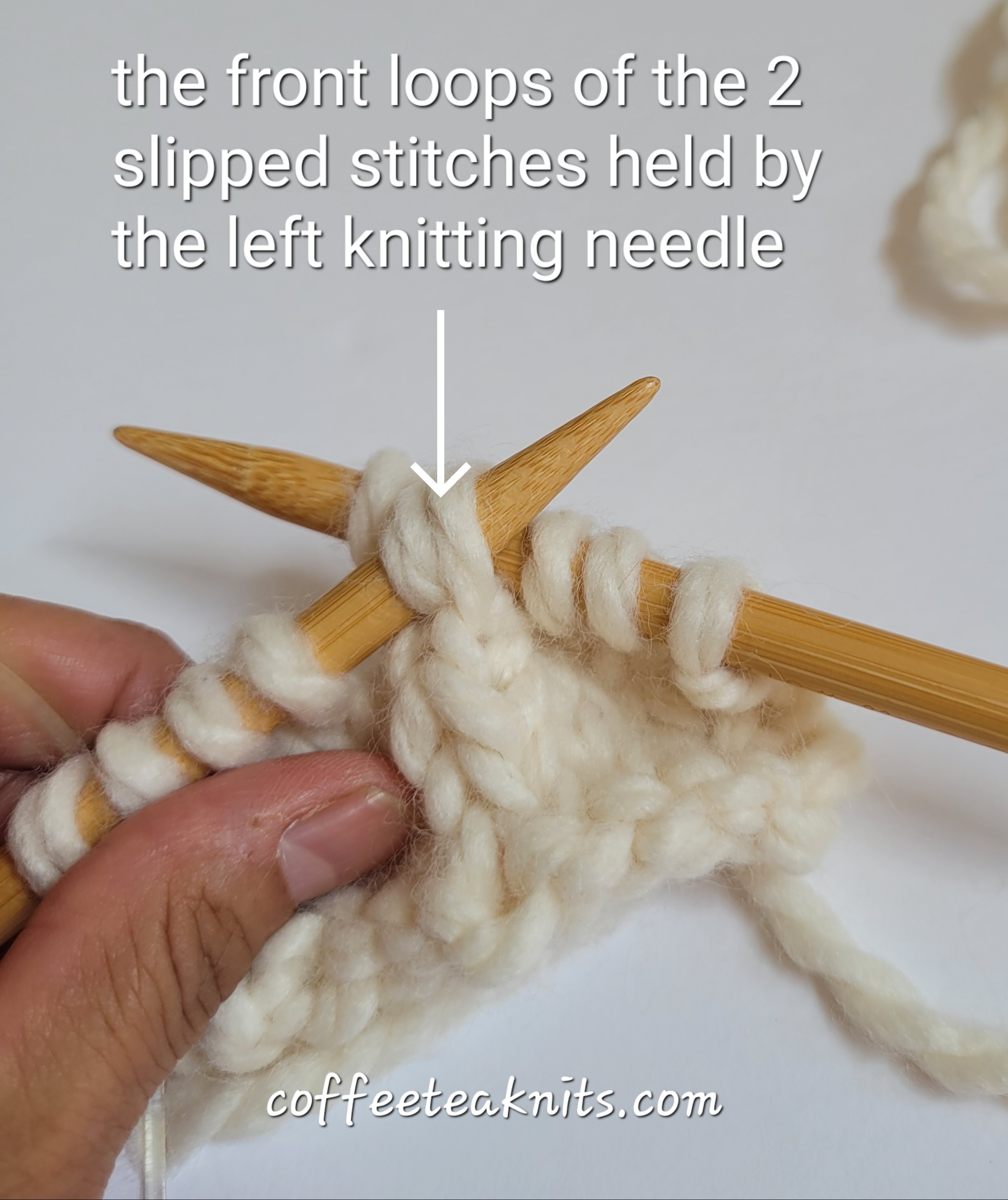
  3. Insert the right knitting needle through the back loop of those two slipped stitches on the left knitting needle
  4. Knit (Tutorial Series: Knit and Tink) the two stitches together through the back loop (one stitch decreased)
  5. Repeat steps 1 to 4 as needed for a knitting pattern

~coffeeteaknits.com

Tutorial Series: The Provisional Cast-On Method

The provisional cast-on is a temporary cast on method. With this technique, the “live” stitches on the waste yarn are picked up later. They are then knit in the opposite direction. A common way to make a provisional cast on is to make a crochet chain from waste yarn first. Then, with the project yarn, make stitches using the purl bumps of the crochet chain. Later, remove the crochet chain waste yarn by picking up the “live” stitches and knitting them in the opposite direction. For example, I use provisional cast on to start a top down sweater. Once the body of the sweater is finished, I pick up the “live” stitches. Then, I knit the collar in the opposite direction. There are several different kinds of knitting projects that use the provisional cast on method. The written instructions and video on how to do the provisional cast on is shown below for right handed knitting.

The Provisional Cast-On Method:


The Provisional Cast-On Stitches:


The Steps for the Provisional Cast-On Method:

  1. Using a waste yarn (or a yarn different from the knitting project yarn), make a crochet chain (Tutorial Series: How to Crochet Chain) with the number of stitches specific for a project
  2. [Tip: chain a few extra stitches than needed for the project]
  3. Turn the crochet chain so that the purl bumps are facing you (image below)
  4. Insert a knitting needle into the purl bump (image below)
  5. Make a loop with the project yarn and slide it onto the knitting needle
  6. Tighten and secure the project (working) yarn as needed
  7. Bring the project yarn loop through the purl bump and onto the needle
  8. Insert the knitting needle into the next purl bump
  9. Bring the project (working) yarn around the knitting needle (counterclockwise), catch and pull the yarn loop through the purl bump and onto the needle
  10. Repeat Steps 8 and 9 till you have all the stitches needed for a knitting project

~coffeeteaknits.com

Tutorial Series: The Thumb Method Cast-on

The Thumb method cast-on is a commonly used long tail cast-on technique. A long tail of yarn is set aside on one side of the slip knot. The working yarn is on the other side of the slip knot. The thumb is used to form the loop that is used to make a new stitch on the knitting needle. Another example of a long tail cast-on technique is the slingshot method. In this method, the thumb and the index finger create a new stitch. The thumb method is beginner-friendly and a quick cast-on method. I use the thumb method cast-on mostly for knitting projects with few stitches (dishcloths, etc.). The written instructions and video below on how to do the thumb method cast-on are shown for right-handed knitting.

The Thumb Method Cast-On:


The Steps for the Thumb Method Cast-On:

  1. Make a slip knot (Tutorial Series: How to Slip Knot) with a yarn tail that will be enough for the number of stitches for a specific knitting project
  2. Insert the slip knot onto a knitting needle
  3. Holding the yarn tail with some tension in the left fist, wrap the left thumb under and over the yarn tail to make a loop
  4. Insert the right hand needle into the front strand of the loop on the thumb
  5. Bring the working yarn around the top of the right needle and wrap it between the thumb and the right knitting needle
  6. Catch and pick up the working yarn loop (a new stitch) with the right needle
  7. Repeat Steps 3 – 6 to cast-on the required number of stitches needed for a knitting project

~coffeeteaknits.com

The Berry Bunches Scarf Pattern


The Berry Bunches Scarf is a flat rectangular scarf in the crochet suzette stitch pattern. It’s a fun and quick project that is a combination of single and double crochet. Fringes are also added to the scarf. The yarn used for the project is Loops and Threads® Luxe Merino™ Wool Blend I purchased at Michaels. This soft and warm yarn is perfect for this time of year. The Berry Bunches Scarf, after washing, is about seven inches wide and eighty-three inches in length. The length and width can be customized, making the scarf more versatile.

The Berry Bunches Scarf Pattern (text and images for personal use only)

Materials Needed:
Yarn: Loops and Threads® Luxe Merino™ Wool Blend in the Raindrops colorway (2 skeins needed for this project)
Tapestry needle to weave in ends
Gauge: 5 stitches per inch in the crochet suzette stitch pattern
Crochet hook: US size G6 or 4.00 mm

Abbreviations:

sc: single crochet (Tutorial Series: How to Single Crochet)
dc: double crochet (Tutorial Series: How to Double Crochet)
RS: right side
WS: wrong side
[…]: pattern repeat

Crochet Skill Level: Basic level with chain stitches, single crochet and double crochet


With one strand of Loops and Threads® Luxe Merino™ Wool Blend in the Raindrops colorway and US size G6 or 4.00 mm crochet hook, make a slip knot and chain 34 stitches (Tutorial Series: How to Slip Knot; Tutorial Series: How to Crochet Chain

Single Crochet in the back purl bump of the second chain from the hook

crochethook_insertpurlbump

CrochetChaincrochetpurlbumps

Row 1 (RS): sc in the purl bumps all across the row till the last stitch. In the last stitch sc, chain 1 and turn

Row 2 (WS): sc, chain 1, [skip a stitch, (sc and then dc in the next stitch)], repeat […] till last 2 stitches in the row, sc, chain 1 and turn

Repeat Row 2 for the crochet suzette stitch till desired length reached

crochetsuzettestitch

Last Row (RS): sc all across the last row. In the last stitch, sc and cut six inches of working yarn and pull yarn the loop on the crochet hook

Adding Fringes (Optional):
Fringes were made with 4 strands (about 10 inches long) of Raindrops yarn colorway. There are several helpful video tutorials on YouTube on how to add fringes. For the Berry Bunches Scarf, nine fringes were added to each of two ends.

Trim the fringes to preferred length

Weave in the yarn, wash and block the Berry Bunches Scarf


~coffeeteaknits.com

Tutorial Series: The Knitted Cast-On Method

The Knitted Cast-On is one of many cast-on techniques in knitting. Other cast-on methods include the long tail cast-on, cable cast-on, provisional cast-on, the thumb method, picot cast-on, stretchy cast-on etc. The Knitted cast-on method is ideal for large projects. Use it when a large number of stitches are required for cast-on. This is typical for a blanket or shawl pattern. This method like the cable cast-on does not need a long yarn tail. The Knitted Cast-On is also a great beginner friendly cast-on method since it is basically the knit stitch. I usually use the knitted cast-on for knitting projects where all the edge stitches are later picked up for a more decorative border. The knitted cast-on begins with a slip knot and each additional stitch is then knitted on. The written instructions and video below on how to do the knitted cast-on is shown for right-handed knitting.

The Knitted Cast-On:


The Knitted Cast-on Steps:

  1. Make a slip knot (How To Slip Knot)
  2. Transfer the slip knot loop onto the left knitting needle
  3. Insert the right knitting needle into the slip knot and bring working yarn around and in between the two needles as if to knit (Knit and Tink)
  4. Catch and pull the working yarn loop onto the right knitting needle
  5. Transfer the new stitch loop from the right knitting needle onto the left knitting needle by inserting the left knitting needle under the front strand of the new stitch loop
  6. Tug the working yarn to tighten the new stitch loop on the left knitting needle
  7. Insert the right knitting needle into the first stitch on the left knitting needle
  8. Catch and pull the working yarn loop with the right knitting needle
  9. Move the new stitch loop from the right knitting needle to the left knitting needle by inserting the left knitting needle under the front strand of the new stitch loop
  10. Tug the working yarn to tighten the new stitch loop on the left knitting needle
  11. Repeat steps 7 – 10 till the desired number of stitch count is reached for a knitting project

~coffeeteaknits.com

The Autumn Leaves Cowl Pattern


This year at the New Jersey Sheep and Fiber Festival, I was happy to see Marian of the Marianted Yarns since it was her last time vending there. A few years ago, I bought a Practicality 75/25 (superwash merino/nylon) fingering weight skein in the Beeswax colorway from her. I wanted another skein in that colorway this year, but it was unavailable. Instead, I chose the Honeycomb colorway and purchased it. Both colors remind me of the autumn leaves in my yard. I will miss Marianated Yarns next year, but the Autumn Leaves Cowl will help me remember this wonderful day at the festival.


The Autumn Leaves Cowl is crocheted back and forth, holding two strands of the same colorway of yarn together. The single crochet V stitch pattern is repeated several times, with alternating colorways every 2 rows. A row of crochet moss stitch is made from the right side to the left. This helps flatten the bump from the V stitch cluster. A row of crochet moss stitch is also made on the foundation chain edge, starting at the slip knot stitch. The 2 edges are then joined using the crochet zig-zag join method. Lastly, the Autumn Leaves Cowl is completed with a crochet moss stitch border. This border is on both the top and bottom edges of the cowl.

The Autumn Leaves Cowl Pattern (text and images for personal use only)

Materials Needed:
Yarn: Marianted Yarns in Beeswax and Honeycomb colorways (1 skein each)
Tapestry needle to weave in ends
Gauge: 4 stitches per inch in the single crochet V stitch pattern
Crochet hook: US size F-5 or 3.75 mm for the single crochet V stitch pattern. US size E-4 or 3.5 mm for the top and US size G6 or 4.00 mm for the bottom crochet moss stitch border edges

Abbreviations:
sc: single crochet
hdc: half double crochet
RS: right side
WS: wrong side
[…]: pattern repeat

Crochet Skill Level: Basic level with single crochet, half double crochet and slip stitches 

Holding two strands of Beeswax colorway yarn together, make a slip knot (How to Slip Knot) and with US size F-5 (3.75 mm) crochet hook chain 47 stitches (How to Crochet Chain). 

Row 1 (RS): With the Beeswax colorway – Skip the first chain from the hook, and make a hdc (How to Half Double Crochet) in the back of the second chain (the purl bump) from the hook. Optional: You can also make the hdc on the top strand of the second chain stitch,
[Skip two chains and sc (How to Single Crochet) in the next chain (back of the stitch or the top strand of the stitch), chain 2, sc again in the same stitch],
Repeat […] till three stitches left,
Make a hdc in the last stitch of the foundation chain (slip knot stitch), chain 1 and turn

Row 2 (WS): With the Beeswax colorway – Make a hdc in the second chain from the hook,
[Make a sc in the next chain 2 space of the single crochet V stitch, chain 2, and sc again in the same chain 2 space]
Repeat […] for the chain 2 spaces in the row till the last stitch,
In the last stitch, make a hdc, attach two strands of the Honeycomb colorway and with it chain 1, turn

Row 3 (RS): With the two strands of the Honeycomb colorway – make a hdc in the second stitch from the hook,
[Make a sc in the next chain 2 space of the single crochet V stitch, chain 2, and sc again in the same chain 2 space]
Repeat […] for the chain 2 spaces in the row till the last stitch,
In the last stitch, make a hdc, chain 1 and turn

Row 4 (WS): With the two strands of the Honeycomb colorway – make a hdc in the second stitch from the hook,
[Make a sc in the next chain 2 space of the single crochet V stitch, chain 2, and sc again in the same chain 2 space]
Repeat […] for the chain 2 spaces in the row till the last stitch,
In the last stitch, make a hdc, change to two strands of Beeswax colorway and with it chain 1, turn

Row 5 (RS): With the Beeswax colorway – Make a hdc in the second chain from the hook,
[Make a sc in the next chain 2 space of the single crochet V stitch, chain 2, and sc again in the same chain 2 space]
Repeat […] for the chain 2 spaces in the row till the last stitch,
In the last stitch, make a hdc, chain 1, turn 

Row 6 (WS):With the Beeswax colorway – Make a hdc in the second chain from the hook,
[Make a sc in the next chain 2 space of the single crochet V stitch, chain 2, and sc again in the same chain 2 space]
Repeat […] for the chain 2 spaces in the row till the last stitch,
In the last stitch, make a hdc, change to two strands of the Honeycomb colorway and with it chain 1, turn

Repeat Rows 3 to 6, twenty-five more times. Cut yarn (Beeswax colorway) and pull through the last stitch

Joining the Foundation Chain Edge to the Bind off (last row) Edge:

The Bind off (last row) Edge –
With 2 strands of the Honeycomb colorway yarn, crochet one row of the moss stitch, [sc into the stitch between the V stitch clusters, chain 1, sc into the next stitch between the V stitch clusters], repeat […] all along the bind off edge row. This is to flatten the V stitch cluster bumps of the last row (bind off edge) (see image below)

October2024_cowlbindoffedge

Cut yarn and pull through the last stitch

Foundation Chain Edge –
With 2 strands of the Honeycomb colorway yarn, crochet one row of the moss stitch to the foundation chain edge (see image below)

October2024_cowlfoundationedge

Cut yarn and pull through the last stitch.

With 2 strands of the Honeycomb colorway yarn, make a slip knot and pull the slip knot through the last crochet moss stitch on the left side (see image below) and chain 1

October2024_joiningcowl

Make a crochet zig zag* join going from the left to the right side of the cowl

October2024_cowljoin

Crochet Moss Stitch for the Top Edge Border:
Continuing with the Honeycomb colorway yarn, change to US size E-4 (3.5 mm) crochet hook. Begin with the last stitch of the crochet zig zag join (beginning of round).

Round 1: [sc, chain 1, skip the next stitch], repeat […] all along the right side (top edge) of the cowl
Round 2: [sc in the chain 1 space, chain, sc in the next chain 1 space]
, repeat […] till the end of the round
Rounds 3 and 4: Repeat Round 2
Round 5: Repeat Round 2 till the beginning of round. Slip stitch into the first stitch of the round, cut yarn and pull yarn through

Crochet Moss Stitch for the Bottom Edge Border:
With 2 strands of Honeycomb colorway yarn and US size G-6 (4.0 mm) crochet hook, make a slip knot. Insert hook into the first stitch of the crochet zig zag join and pull it through, chain 1 (beginning of round)

Round 1: [sc, chain 2, skip the next stitch], repeat […] all along the bottom edge of the cowl
Round 2: [sc in the chain 2 space, chain 2, sc in the next chain 2 space], repeat […] till the end of the round
Rounds 3 and 4: Repeat Round 2
Round 5: Repeat Round 2 till the beginning of round. Slip stitch into the first stitch of the round, cut yarn and pull yarn through

Weave in the ends, wash and block to complete the Autumn Leaves Cowl


* how to do a crochet zig zag join (see below)


~coffeeteaknits.com

Tutorial Series: WYIF and WYIB

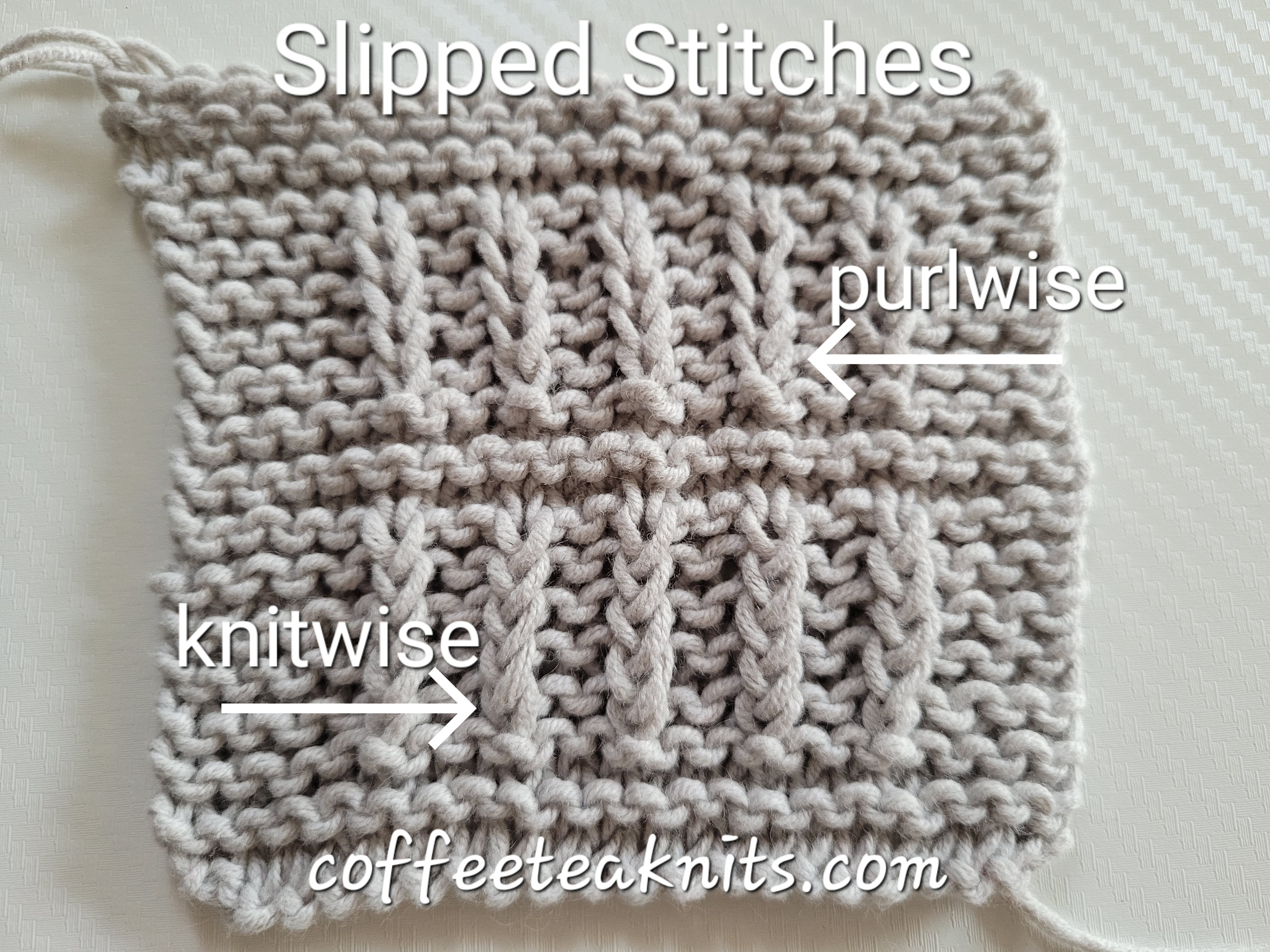
There are knitting patterns that use the abbreviations wyif (with yarn in front) or wyib (with yarn in back). Some of my patterns with these include The Dotted Dishcloth Pattern and The Brick and Mortar Dishcloth Pattern. In these patterns, wyif or wyib is usually used before slipping a stitch or two. A slipped stitch is neither knit nor purled. Slipped stitches can be used for mosaic colorwork knitting or to create an i-cord edge or textured stitch patterns. The video and written instructions below show how to slip one stitch wyif or wyib purlwise for right-hand knitting.

Advertisements

How to slip a stitch WYIF and WYIB:

The video below shows K1 (knit 1), wyif S1 (with working yarn in front slip one stitch purlwise), wyib S1 (with working yarn in back slip one stitch purlwise), wyif S1, wyib S1

Advertisements

WYIF:

  • Bring working yarn from the back of the right knitting needle to the front of the work
  • Insert the right knitting needle as if to purl (purlwise) into the first stitch on the left knitting needle
  • Catch that first stitch with the right knitting needle
  • Pull the stitch off the left knitting needle and onto the right knitting needle (one stitch has been slipped)
Advertisements

WYIB:

  • Bring working yarn from the front of the right knitting needle to the back of the work
  • Insert the right knitting needle as if to purl (purlwise) into the first stitch on the left knitting needle
  • Catch that first stitch with the right knitting needle
  • Pull the stitch off the left knitting needle and onto the right knitting needle (one stitch has been slipped)
Advertisements

~coffeeteaknits.com

The Silver Clusters Baby Blanket Pattern


The Silver Clusters Baby Blanket is crocheted using a variation of the crochet moss stitch (see image below). The baby blanket is then finished with a crochet moss stitch border. The variation of the crochet moss stitch pattern forms clusters adding texture to the design. This stitch pattern is simple, making it a satisfying beginner friendly project that does not take long to finish. The repetitive nature of this variation of the crochet moss stitch is quite meditative and relaxing. Plus, the worsted weight cotton blend yarn used makes the blanket suitable for babies and can be used year-round.

The Crochet Moss Stitch versus the Variation Crochet Moss Stitch:
For the crochet moss stitch, the crochet hook is inserted in the chain 1 space to make a single crochet. In the moss stitch variation pattern, the crochet hook is inserted in the center (the V) of the stitch to make a single crochet.


The Silver Clusters Baby Blanket Pattern (text and images for personal use only)

Materials Needed:
Yarn: YarnspirationsTM Caron Cotton Cakes yarn in the Silver Cloud colorway for the main body of the blanket and I picked 2 color stripes of the Wild Blueberries colorway for the border. I purchased the yarn at Michaels and they are either discontinued or on clearance. Any other worsted cotton blend yarn can be used for this project
Tapestry needle to weave in ends
Gauge: 4.5 stitches per inch in the variation crochet moss stitch pattern
Crochet hook: US size H-8 or 5.0 mm
Abbreviations:
sc: single crochet
[…]: pattern repeat

With US # H-8 (5.0 mm) crochet hook, make a slip knot and chain 118 stitches with the Silver Cloud Colorway

  • Row 1 (RS): Skip the first stitch, [single crochet the top strand of the next stitch, chain 1, skip the next stitch], repeat […] till the last stitch, sc the last stitch (on the slip knot side), chain 1 and turn
  • Row 2 (WS): Skip the first stitch, [sc under both strands of the next stitch, chain 1, skip the next stitch], repeat […] till the last stitch, sc the last stitch, chain 1 and turn

Repeat Row 2 till preferred length reached. I repeated Row 2 – 109 times binding off by pulling the yarn through the last stitch at the top left corner of the right side. The washed and blocked blanket before the border measures about 26 x 28 inches

Crochet Moss Stitch Border (about 2 inches wide):

Round 1: On the right side top left corner, change to the Wild Blueberry Colorway (I chose the lightest shade of blue for this) and bring up the slip knot loop (back to front) through the corner edge stitch (beginning of the round), chain 2, sc into same corner stitch and chain 1

  • Turn and pick up 57 stitches and crochet in moss stitch pattern (pick up a stitch and sc, chain 1, skip the next stitch and repeat) all along the left side
  • At the bottom left corner edge stitch of the right side of the blanket, sc, chain 2, sc again in the same corner stitch, chain 1
  • Turn and pick up 57 stitches and crochet in moss stitch pattern (pick up a stitch and sc, chain 1, skip the next stitch and repeat) along the 118 foundation chain stitch edge
  • At the bottom right corner edge stitch of the right side of the blanket, sc, chain 2, sc again in the same corner stitch, chain 1
  • Turn and pick up 57 stitches and crochet in moss stitch pattern (pick up a stitch and sc, chain 1, skip the next stitch and repeat) going up all along the right side
  • At the top right corner edge stitch of the right side of the blanket, sc, chain 2, sc again in the same corner stitch, chain 1
  • Turn and pick up 57 stitches of the last row (bind off row) in the crochet in moss stitch pattern (pick up a stitch and sc, chain 1, skip the next stitch and repeat) along that last row

Round 2:

  • At the corner edge stitch (beginning of the round), sc , chain 2, sc again in the same corner stitch, chain 1
  • Crochet moss stitch (sc in the chain 1 space, chain 1, skip the next stich and repeat) all around the blanket with a sc, chain 2, sc, chain 1 at each of the corner edge stitches

Repeat Round 2 – two more times

Round 5: Change to Silver Cloud colorway yarn (secure and break the Wild Blueberry yarn light blue stripe) and Repeat Round 2, two times

Round 7: Change to Wild Blueberry colorway yarn – darker shade of blue stripe (secure and break the Silver Cloud colorway yarn) and Repeat Round 2, four times

At the end of last round (Round 10) sc into the beginning of round corner edge stitch chain 2 space, pull working yarn through and break yarn.

Weave in the ends, wash and block The Silver Clusters Baby Blanket


~coffeeteaknits.com